The Slax Linux Architecture Breakdown: Slackware Roots, Debian Branching, and Dynfilefs
 By Marcus Vance
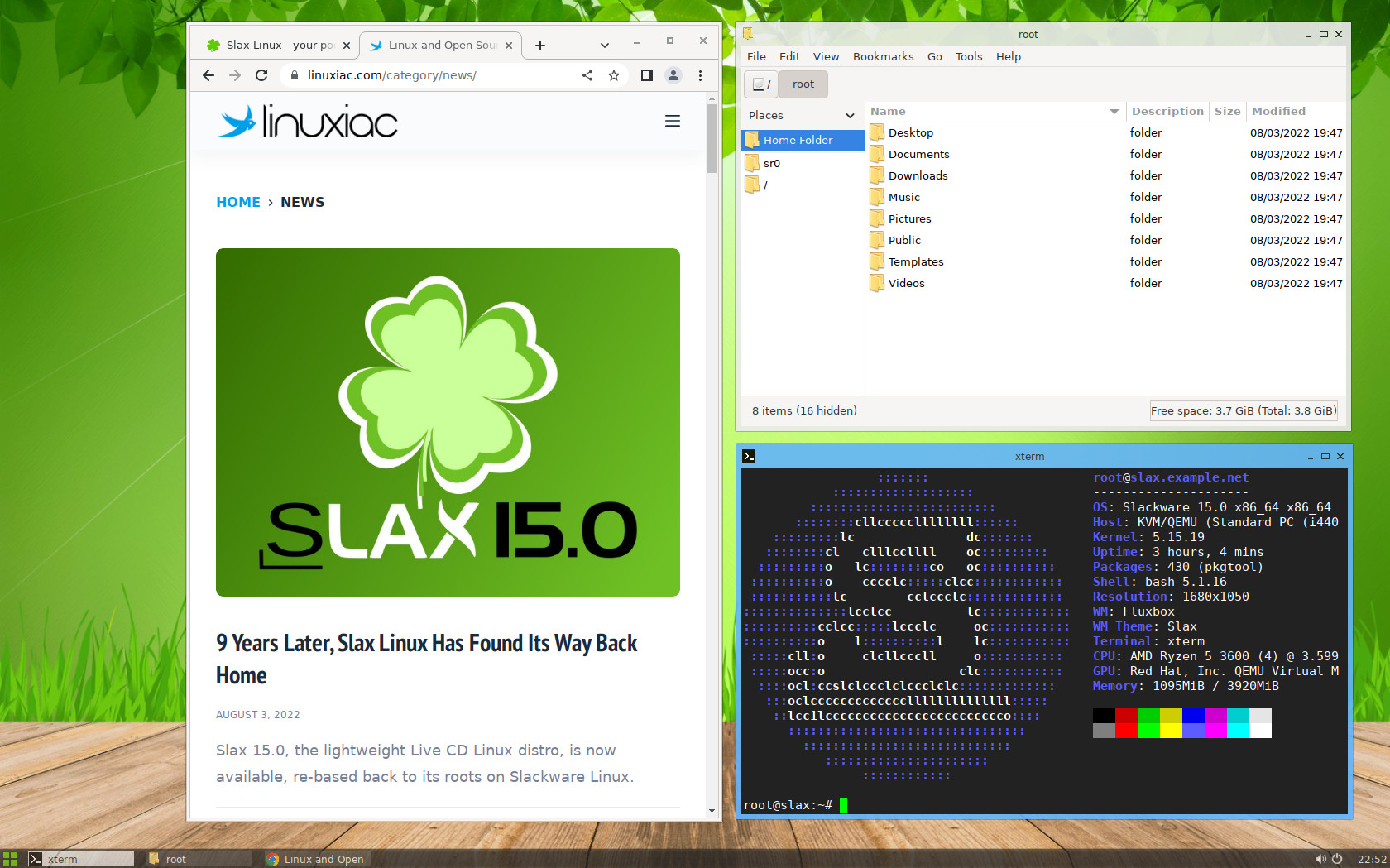
The history of Slax traces a long structural evolution. Originating in 2002 as a live CD offshoot of Slackware, it flourished throughout the Slax 6 and Slax 7 cycles. In late 2017, Matejicek stunned long-time users by dropping Slackware entirely. Slax 9 adopted Debian as its upstream provider, trading Slackware's manual package balance for the unmatched convenience of Debian's software repositories. As industry coverage from The Register and Linuxiac noted during the release of Slax 15, the project chose not to abandon Debian when reviving Slackware, opting instead to maintain two parallel editions simultaneously.
| Architectural Dimension | Slax (Slackware Branch) | Slax (Debian Branch) |
|---|---|---|
| Upstream Foundation | Slackware 15.0 | Debian Bookworm (12) |
| Package Ecosystem | Slackpkg / pkgtool (txz archives) |
APT / dpkg (60,000+ packages) |
| Base ISO Footprint | ~305MB (64-bit / 32-bit available) | ~285MB (64-bit / 32-bit available) |
| Init Philosophy | Traditional BSD-style RC init scripts | Trimmed Debian init / SysV scripts |
| Target Deployment | Low-resource appliances, purist maintenance | Everyday desktop tasks, broad hardware driver needs |
The choice between these variants comes down to workflow priorities. The Slackware-based edition delivers absolute minimalism, lacking the extensive dependency-resolving overhead of modern package managers. It behaves like traditional Unix, compiling cleanly and giving advanced engineers unmediated access to core libraries. The Debian variant exists for speed of execution. Need Chromium, WireGuard, or Python's full data science stack? A single apt update && apt install call pulls precompiled packages directly from Debian mirrors, merging them instantly into Slax's running layer stack.
Marcus Vance is a cybersecurity auditor and technology writer dedicated to educating the public about online safety, data privacy regulations, enterprise security, and emerging cyber threats.
