The Ghost Territories: Why the Us Minor Outlying Islands Exist and Why Almost Nobody Lives There
 By Robert Thorne
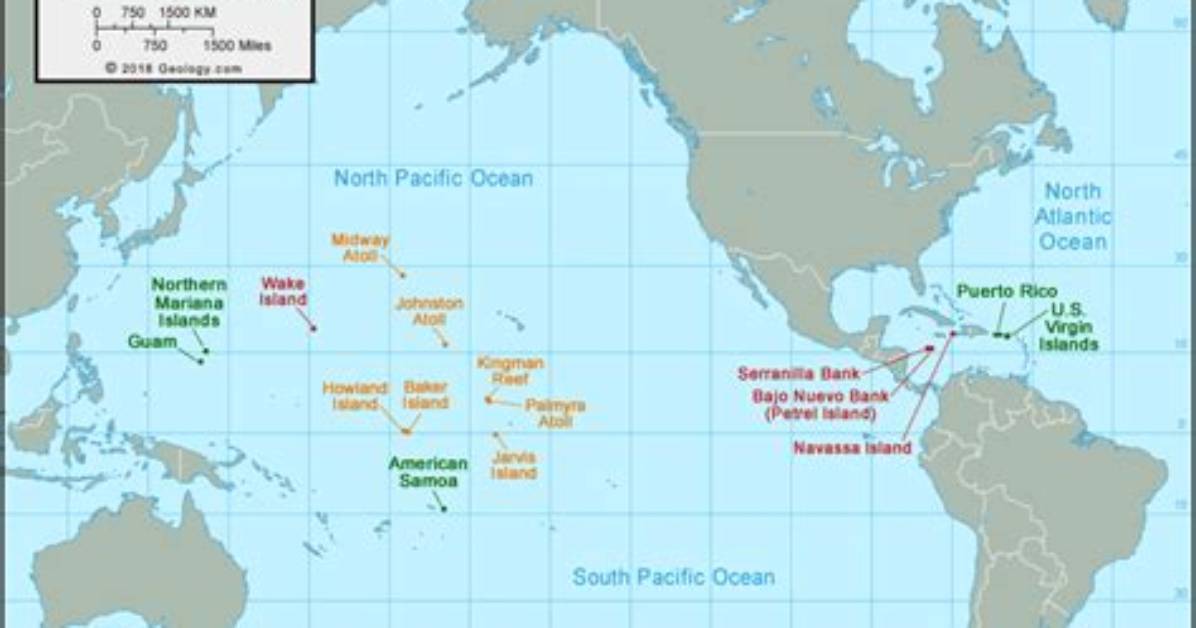
Long before these atolls housed radar installations or wildlife sanctuaries, they were seized for bird droppings. In the mid-nineteenth century, exhausted American agricultural soil sparked an urgent hunt for nitrogen-rich guano. Congress responded by passing the Guano Islands Act of 1856, a piece of imperial legislation that authorized American citizens to take possession of any unclaimed, unoccupied island containing guano deposits in the name of the United States.
Private commercial crews sailed into the equatorial doldrums and planted flags. They staked federal claims on Baker Island, Howland Island, and Jarvis Island, scraping millennia of seabird waste from sun-baked limestone and loading it onto wooden schooners. In the Caribbean, American prospectors claimed Navassa Island, setting up brutal mining operations that triggered an 1889 labor uprising.
By the time chemical fertilizers rendered organic guano obsolete in the early twentieth century, the mining syndicates pulled out. They left behind stripped topsoil, ruined rail tracks, and small heaps of discarded iron. But the legal framework survived. The United States government retained sovereign ownership, holding onto barren atolls that suddenly offered immense strategic value as aviation routes stretched across the Pacific.
Robert Thorne covers electric vehicle innovations, autonomous driving systems, global mobility trends, and automotive engineering developments.
