The 2026 Water Emergency: from World Water Day to Landmark Scientific Breakthroughs
 By Elena Rostova
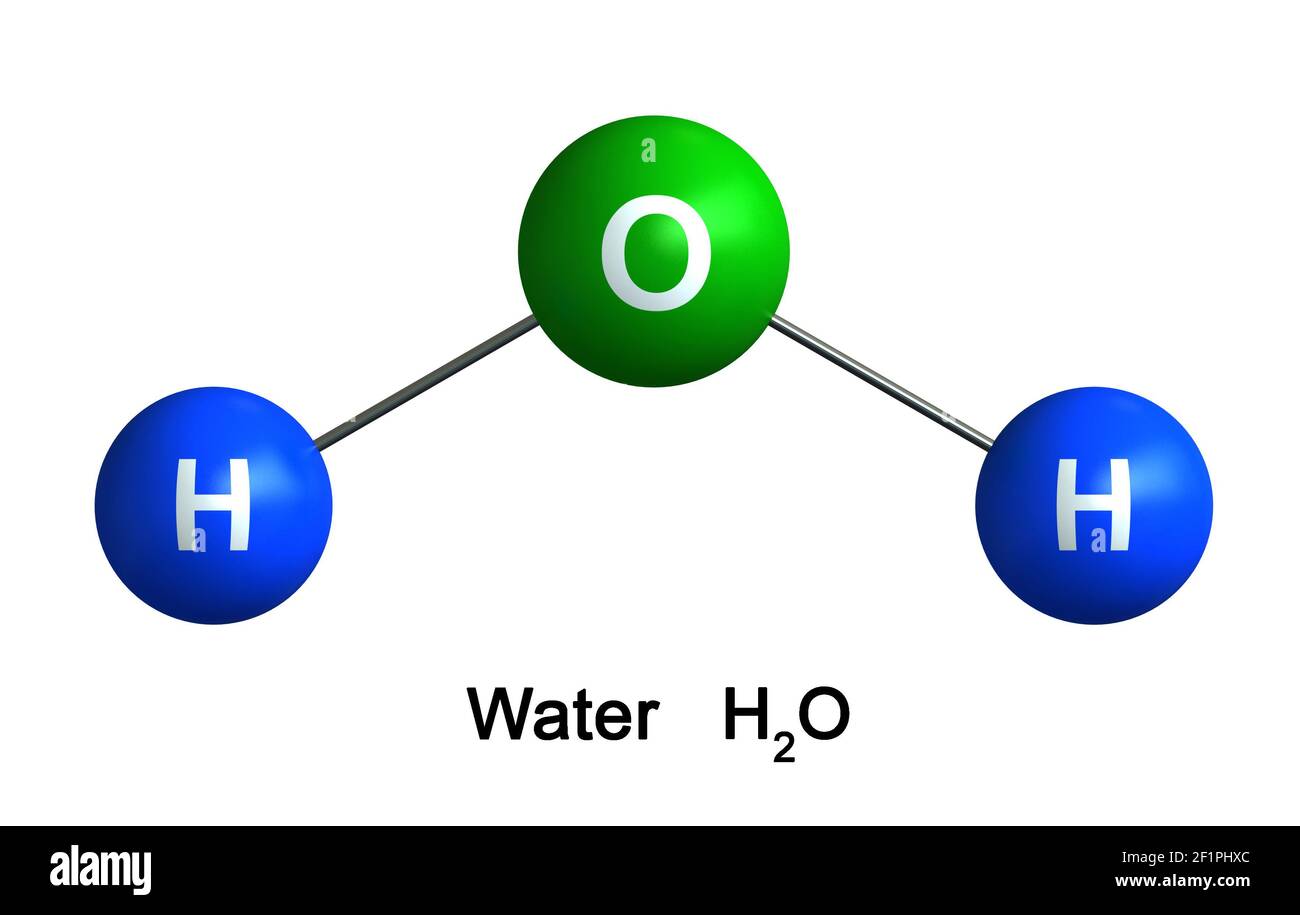
Chemists sometimes refer to water facetiously as dihydrogen monoxide to highlight public misunderstandings of chemical nomenclature. Yet the challenge of producing safe drinking water from natural sources is increasingly serious. The universal solvent properties that make water indispensable to biology also make it extraordinarily vulnerable to chemical pollution. Water readily dissolves heavy metals, agricultural nitrates, and synthetic fluorinated chemicals known collectively as PFAS.
Municipal plants designed in the mid-twentieth century relied on simple sedimentation, sand bed filtration, and chlorination. These legacy systems are ill-equipped to eliminate per- and polyfluoroalkyl substances, which persist due to practically indestructible carbon-fluorine bonds. In the United States, municipal water utilities faced rigorous federal regulations in 2026 that slashed permissible PFAS levels down to 4 parts per trillion for specific compounds, requiring an estimated $1.5 billion in annual capital upgrades nationwide.
Granular activated carbon beds and ion-exchange resins offer proven remediation pathways, but they saturate rapidly and generate concentrated toxic waste. Consequently, utility directors have shifted their focus to point-of-entry nanofiltration and high-pressure reverse osmosis systems, passing the financial burden onto industrial rate bases and municipal water bills.
Elena Rostova holds a Master's degree in Public Health Journalism. She covers groundbreaking medical research, holistic wellness trends, mental health awareness, and nutritional science.
