Smartphone Yellow Screen Issue Surges: Immediate Fixes for Android and iOS
 By Robert Thorne
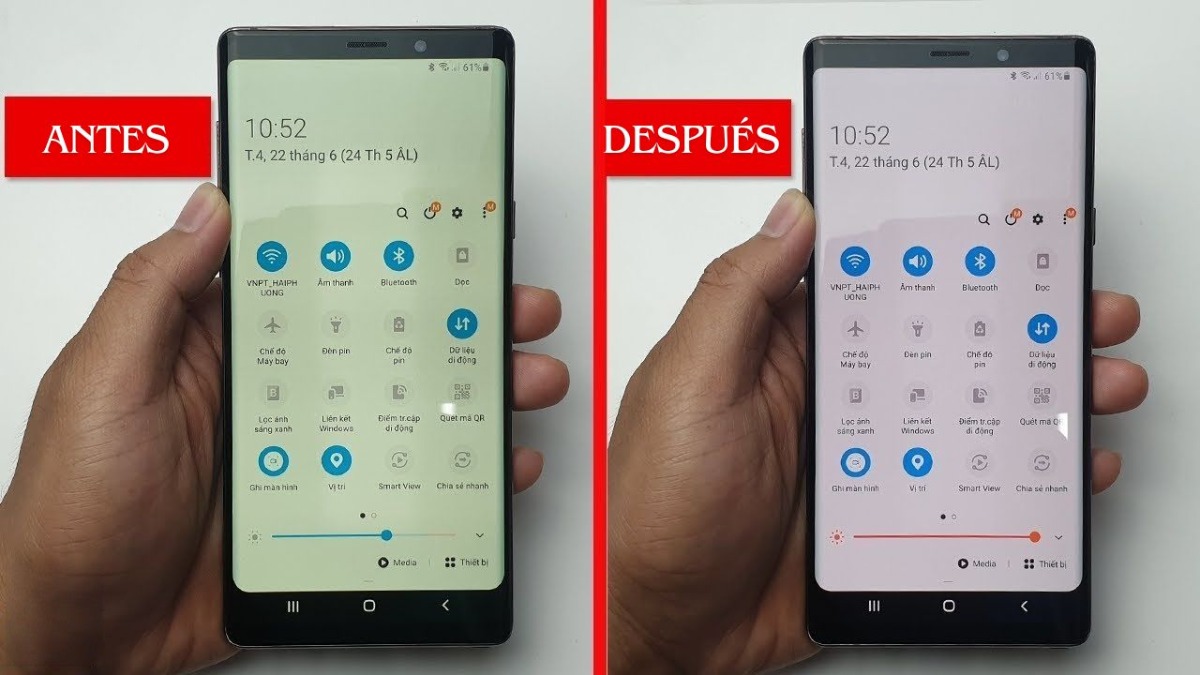
Android's fragmented ecosystem means manufacturers name their warm-light settings differently. However, the path to neutral calibration follows three distinct paths depending on your brand interface.
First, clear the active display mode. On Google Pixel, Motorola, and clean Android builds, open Settings > Display > Night Light. Ensure the toggle is switched off, and verify that the Schedule option is set to "None." Often, users turn off the toggle, only for the sunset-to-sunrise automation to force it back on at 7:00 PM. On Samsung One UI, this feature is labeled Eye Comfort Shield under Settings > Display. Switch it off, or adjust the slider bar away from maximum warm intensity.
Next, audit the core panel color profile. Samsung devices offer a specific Screen Mode submenu. Switch from "Natural" to "Vivid," tap Advanced Settings, and slide the overall white balance slider directly toward the cool end of the spectrum. You can also manually calibrate the independent Red, Green, and Blue subpixel channels to neutralize stubborn tints.
Finally, inspect system accessibility menus. Navigate to Settings > Accessibility > Color and Motion > Color Correction. If this option is switched on, your Android device overrides primary display calibration with specialized palettes designed for visual impairments. Toggle it off completely to return the operating system to standard sRGB and DCI-P3 color spaces.
Robert Thorne covers electric vehicle innovations, autonomous driving systems, global mobility trends, and automotive engineering developments.
