Does Earth Really Have More Than One Moon? the Truth Behind Viral Claims
 By Elena Rostova
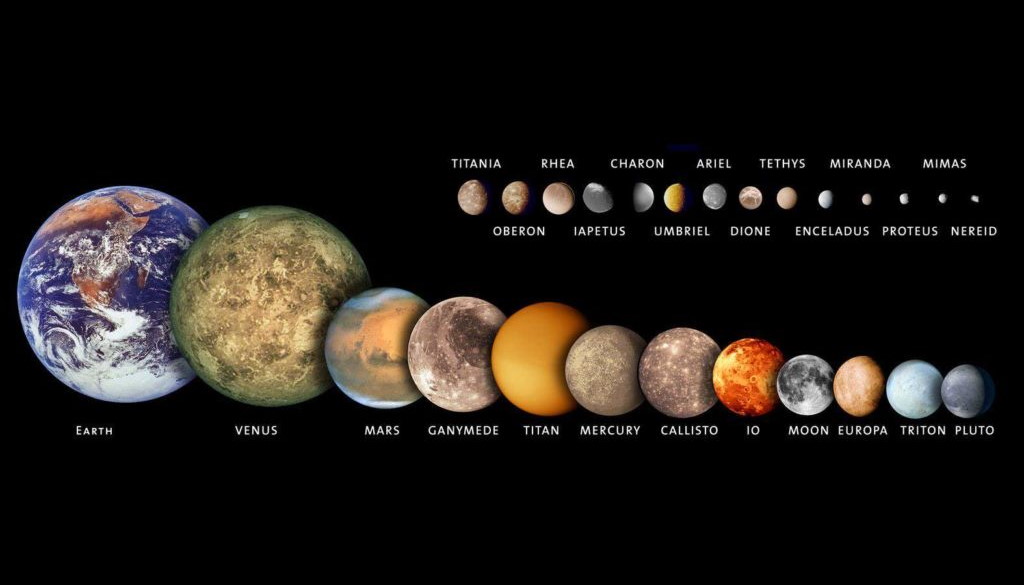
Beyond distinct rocky bodies, celestial mechanics dictates regions of gravitational equilibrium where matter naturally collects. The Sun-Earth system features five Lagrange points where gravitational attractions and orbital centrifugal forces balance out. The L4 and L5 points, situated 60 degrees ahead of and behind Earth in its orbital path, serve as gravitational collection zones.
Two Earth Trojan asteroids have been verified in these stability pockets: 2010 TK7, measuring roughly 300 meters across, and 2020 XL5, a kilometer-wide rock discovered in 2020 that will hold its L4 position for at least 4,000 years. Closer to home, the Earth-Moon system boasts its own L4 and L5 points. In the late 1950s, Polish astronomer Kazimierz Kordylewski detected faint, diffuse dust clouds lingering in these regions. The presence of the Kordylewski clouds was confirmed by polarimetric imaging in 2018. While far too tenuous to be called true moons, these enormous dust swarms represent another layer of orbital mass permanently accompanying our planet.
Elena Rostova holds a Master's degree in Public Health Journalism. She covers groundbreaking medical research, holistic wellness trends, mental health awareness, and nutritional science.
