Behind the Frog Suits: Why Activists Are Standing up in Costumes at Major Political Events
 By Sophia Al-Mansoor
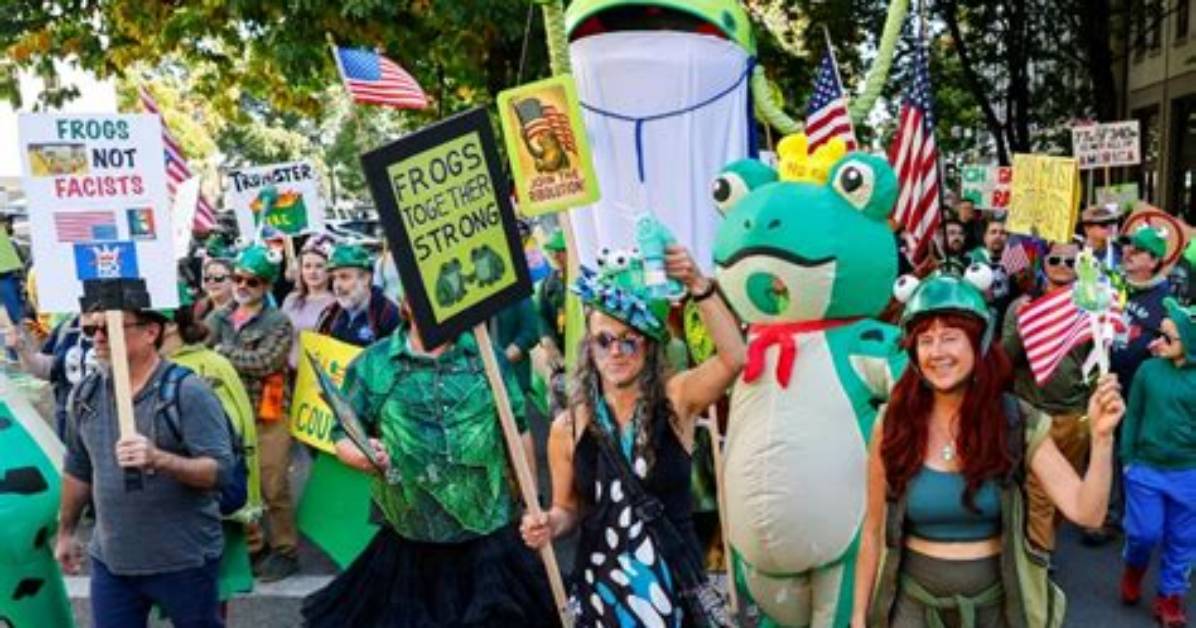
Operating an eight-foot vinyl suit in a designated protest zone introduces specific civil liberties challenges. Municipal authorities in several states have revisited anti-mask legislation originally drafted to address mid-twentieth-century extremist groups or pandemic-era public health requirements. In jurisdictions where covering one's face in public assembly is legally restricted, wearing an enclosed costume suit presents gray-area legal exposure.
There are also clear physical vulnerabilities. The blower units that keep the suits upright rely on small electric fans powered by AA battery packs or lithium power banks. Cold weather rapidly degrades battery life; during sub-zero actions, suits can collapse within forty-five minutes if power runs dry. A deflating suit severely restricts peripheral vision and mobility, creating tripping hazards if law enforcement executes sudden kettle maneuvers or rapid dispersals.
Civil liberties attorneys frequently remind participants that the First Amendment protects symbolic speech, but it does not grant special exemptions from sidewalk obstruction or failure-to-disperse ordinances. An activist in a costume remains subject to the same statutory thresholds as an activist holding a cardboard sign. The difference lies almost entirely in enforcement optics.
Sophia analyzes international trade, startup ecosystems, retail transformation, and supply chain logistics for modern digital publications.
