Why Xenon Is Quietly Powering the Most Critical Breakthroughs of the 21St Century
 By Robert Thorne
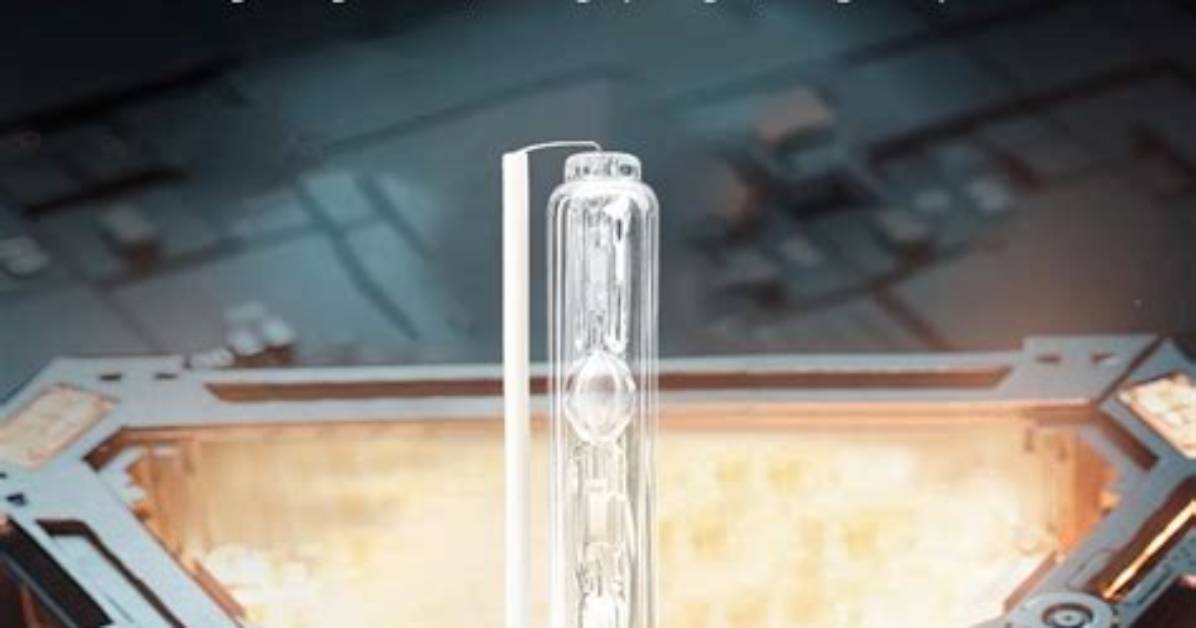
Commercial xenon is not mined from underground shafts or pumped out of natural gas wells. Every single liter must be chilled out of the sky.
Industrial producers isolate rare atmospheric gases through cryogenic air separation units (ASUs). These colossal, multi-story fractionation columns chill incoming air down to -310°F (-190°C) to separate oxygen and nitrogen for bulk industrial use, primarily to supply blast furnaces in steelmaking plants. Xenon, which possesses a boiling point of -162.6°F (-108.1°C), concentrates in tiny residue fractions alongside krypton in the crude oxygen stream.
Yielding a single standard cubic meter of xenon demands the processing of approximately 11 million cubic meters of ambient air. Because capital expenditures for an ASU run into hundreds of millions of dollars, nobody builds one solely to collect noble gases. Xenon is strictly a hitchhiker. When global steel demand drops, blast furnaces wind down, ASUs cut back operations, and the global tap of crude xenon tightens immediately.
Between 2022 and 2024, the fragility of this noble gas supply chain unspooled before global purchasers. Ukraine historically accounted for nearly 40 percent of the world's purified noble gases, refining crude streams captured at massive steel hubs across Mariupol and Zaporizhzhia. The disruption of those plants erased thousands of cubic meters of capacity overnight. Spot prices for certified ultra-high-purity xenon spiked from roughly $3,000 per cubic meter to over $30,000 before settling into the volatile $8,000, $14,000 range. That wild spike sent aerospace manufacturers and semiconductor fabricators scrambling for alternatives.
Robert Thorne covers electric vehicle innovations, autonomous driving systems, global mobility trends, and automotive engineering developments.
