Why Veins Look Blue Through Skin Even Though Human Blood Is Always Red
 By James H. Sterling
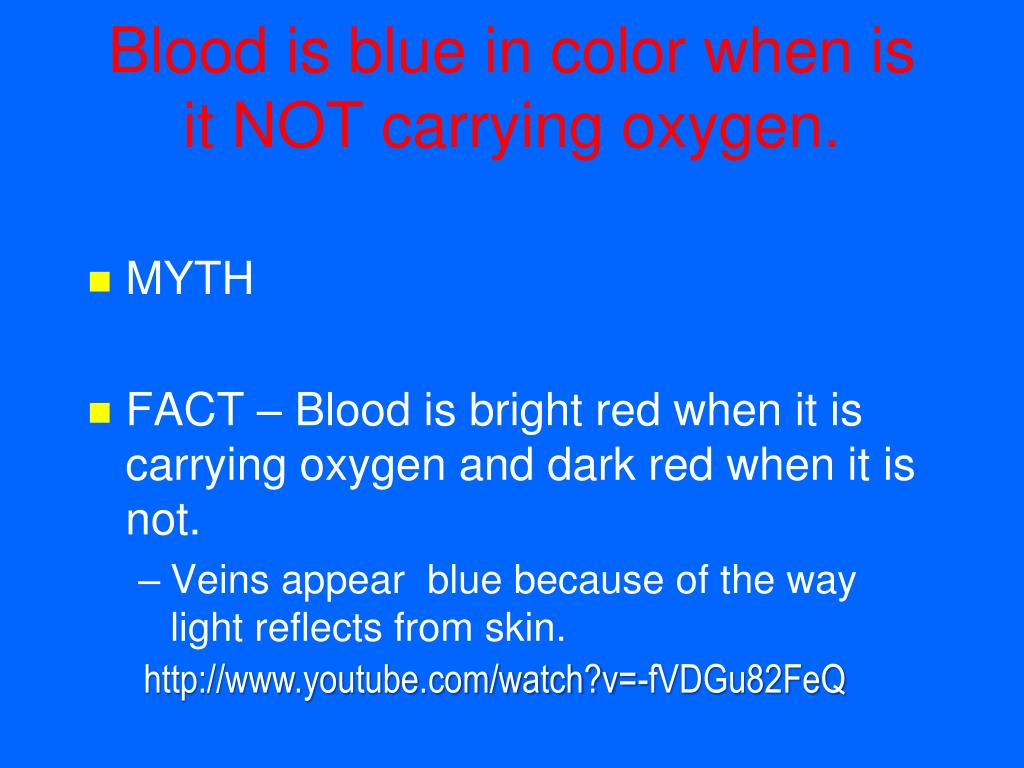
While human blood never turns blue, true blue blood does exist in nature. Several invertebrate species rely on copper-based respiratory pigments rather than iron-based hemoglobin.
Marine mollusks and arthropods, including octopuses, squids, and horseshoe crabs (Limulus polyphemus), rely on hemocyanin. Unlike hemoglobin, which floats inside specialized red cells, hemocyanin floats freely dissolved in hemolymph.
When oxygen binds to the copper ions in hemocyanin, the molecule reflects vibrant blue wavelengths. When deoxygenated, that same fluid turns completely clear or faintly gray.
Horseshoe crab blood plays a critical role in pharmaceutical quality control:
- The biomedical industry harvests horseshoe crab blood to manufacture Limulus Amebocyte Lysate (LAL) assays.
- LAL detects bacterial endotoxins in injectable drugs and surgical equipment down to parts per trillion.
- This certified marine blood really is bright cyan blue. Human blood, lacking copper-based proteins, has no biological mechanism to mimic it.
James Sterling reports on renewable energy developments, climate policy, ecological conservation, and green tech innovations around the globe.
