Why the Retro Tv Pixel Display Is Taking over Viral Desk Setups Everywhere
 By Sophia Al-Mansoor
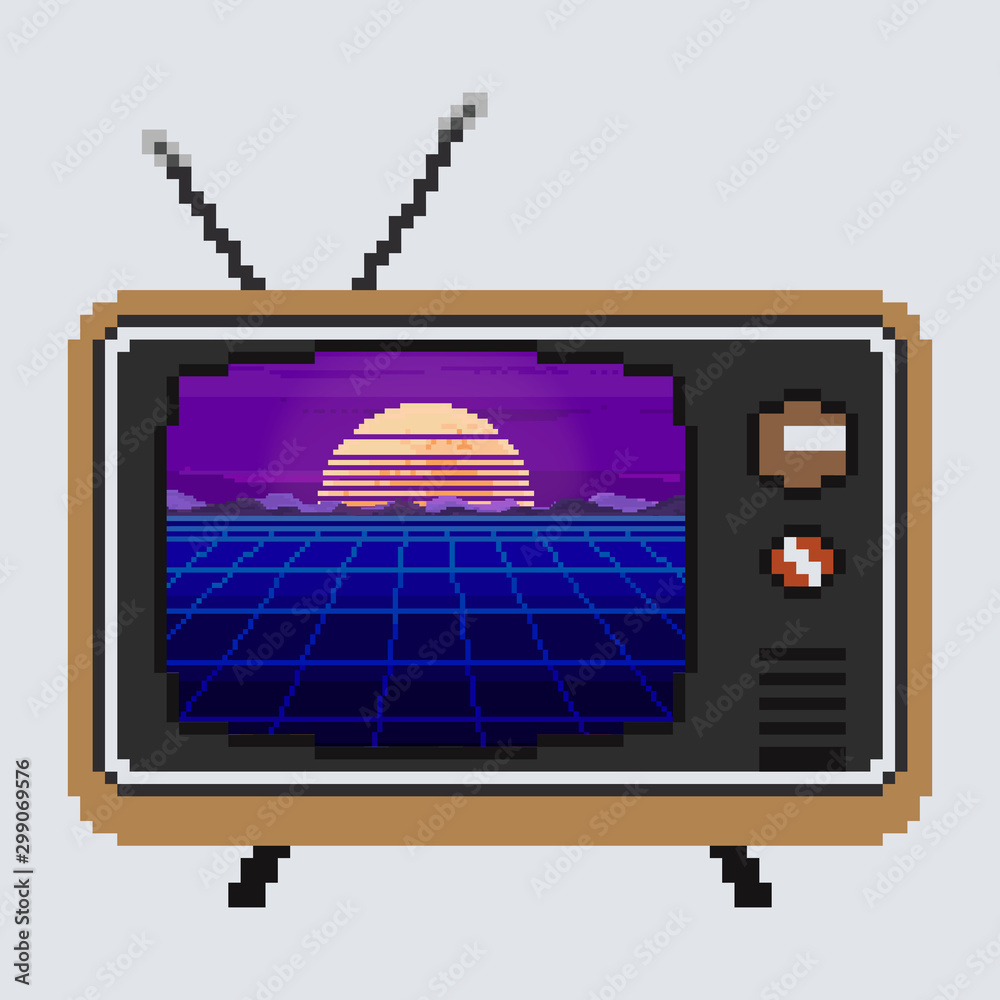
For roughly five years, desk aesthetic trends favored severe restraint. Productivity influencers preached the gospel of hidden cables, matte black monitor arms, monochromatic desk pads, and brutalist aluminum docks. The resulting workstations looked immaculate in static photos, but they felt distinctly clinical to inhabit for 10 hours a day.
That austerity triggered a visible rebound toward warmth. Digital workers began introducing warm-toned lighting, faux walnut finishes, potted pothos plants, and physical collectibles into their personal spaces. The retro TV pixel display sits right at the intersection of this cozy movement and classic computing nostalgia.
The form factor is deliberately disarming. By mimicking the bulbous chassis, rotary knobs, and top-mounted antenna ears of mid-century and late-20th-century televisions, manufacturers tapped into an aesthetic memory shared across generations. Gen Z adopters view CRT television styling as a romantic, tactile curiosity from a pre-smartphone world, while older millennials view it with straightforward nostalgia for Saturday morning cartoons and 16-bit console gaming. The tactile click of a rotary switch to adjust brightness satisfies a physical desire that modern flat-screen touch interfaces completely ignore.
Sophia analyzes international trade, startup ecosystems, retail transformation, and supply chain logistics for modern digital publications.
