Why Most People Use 'Acquiesce' Wrong: Common Blunders and Instant Fixes
 By Elena Rostova
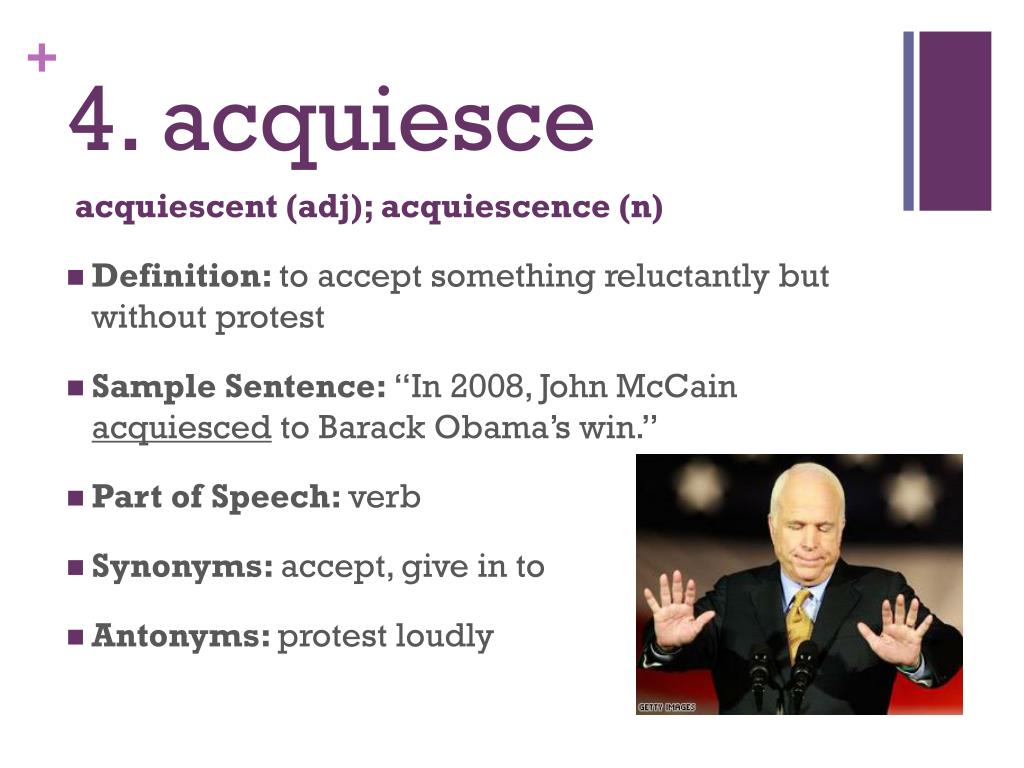
Once a writer understands that a preposition is mandatory, the next stumbling block arrives immediately. Should you write "acquiesce in" or "acquiesce to"? Stylists and corporate attorneys have debated this split for decades, but the distinction breaks down along identifiable lines of dialect, legal tradition, and intent.
Historically, British English and classical common law favored "acquiesce in." In this construction, the subject rests inside a state of affairs, passively allowing circumstances to unfold without formal objection. A magistrate might "acquiesce in the ruling of a lower court," signifying quiet acceptance of an established condition. The phrase "acquiesce to," by contrast, has become the dominant idiom across North American business, journalism, and general formal writing. It treats the target as an external pressure, demand, or request to which someone yields.
While prescriptive traditionalists still preserve "acquiesce in" for systemic states or continuing arrangements, modern usage panels recognize both as standard. The difference rests on subtle emphasis. You typically acquiesce to an active demand, an ultimatum, or an aggressive policy. You acquiesce in an ongoing state, a legal judgment, or an accepted procedural outcome.
Elena Rostova holds a Master's degree in Public Health Journalism. She covers groundbreaking medical research, holistic wellness trends, mental health awareness, and nutritional science.
