Why Is Amex Shutting Down Serve and Bluebird? the End of Prepaid Accounts Explained
 By Sophia Al-Mansoor
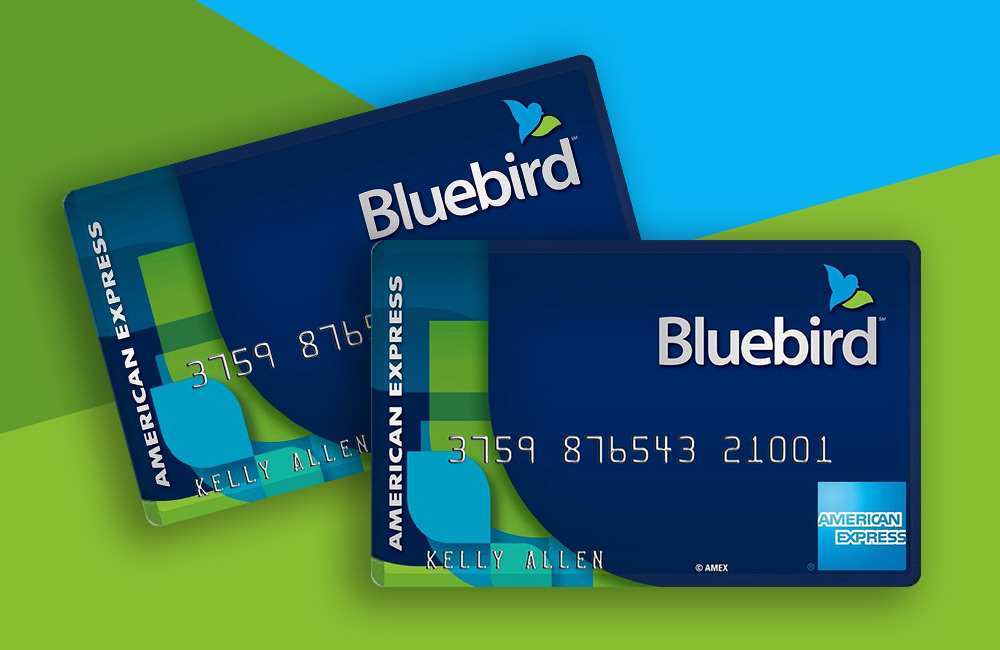
The reloadable prepaid debit card segment was wildly different when American Express launched Bluebird in late 2012. Millions of consumers routinely faced punitive overdraft charges from legacy retail banks, while alternative options like traditional prepaid cards carried punishing activation charges and monthly maintenance fees. Amex broke that mold. Partnering with Walmart, the payment network rolled out an accessible account that offered free direct deposit, free cash reloads at customer service desks, and sub-accounts designed for family budgeting.
Serve arrived around the same time with broader digital aspirations, attempting to serve as a bridge between online money management and everyday retail spending. For nearly a decade, the two cards anchored the unbanked and underbanked strategies of American Express. Shoppers could step into any Walmart supercenter, hand cash to a cashier, and immediately see their funds reflected on a card bearing the American Express logo, all without opening a conventional deposit account at a branch.
Consumer preference migrated steadily toward comprehensive digital platforms offering yield, credit-building rails, and seamless cross-selling opportunities. The static prepaid card, tethered to physical retail checkout counters, struggled to keep pace.
Sophia analyzes international trade, startup ecosystems, retail transformation, and supply chain logistics for modern digital publications.
