Where to Find Paris's Ultimate Pain Au Chocolat: the Essential Tasting Guide
 By Sophia Al-Mansoor
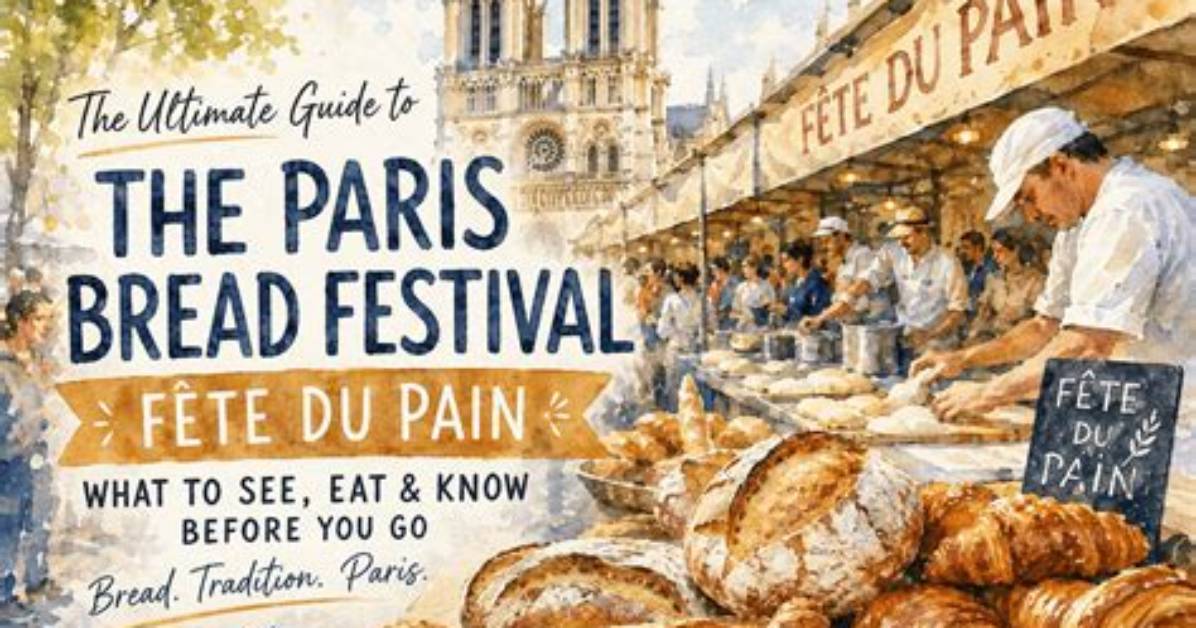
French regulatory law mandates that any business bearing the storefront sign Boulangerie must knead, ferment, and bake its bread on premises. Crucially, this rule does not automatically apply to viennoiserie. Thousands of retailers purchase deep-frozen pastry shells from commercial wholesalers like Coup de Pates, pop them into convection ovens, and sell them beside genuinely artisanal baguettes.
A rigorous pastry tasting review unmasks industrial products instantly through clear visual indicators. Industrial pastries are shockingly uniform, displaying identical dimensions, pale yellow shoulders, and a smooth, varnish-like sheen from mechanical egg-wash sprays. Natural traditional French baking leaves minor imperfections: small caramelization marks where sugar condensed, slight shifts in size, and tiny blister bubbles on the crust.
Pick up the pastry and compress it gently. An artisan bake yields a dry, resonant snap that showers the paper sleeve with translucent shards, revealing a golden brown crust baked through to the base. A thawed, industrial bake compresses like a sponge, exuding a flat margarine film that leaves an oily residue on your fingers.
Sophia analyzes international trade, startup ecosystems, retail transformation, and supply chain logistics for modern digital publications.
