Where Is the Pound Key on Your Phone? the Simple Symbol Everyone Mistypes
 By David Miller
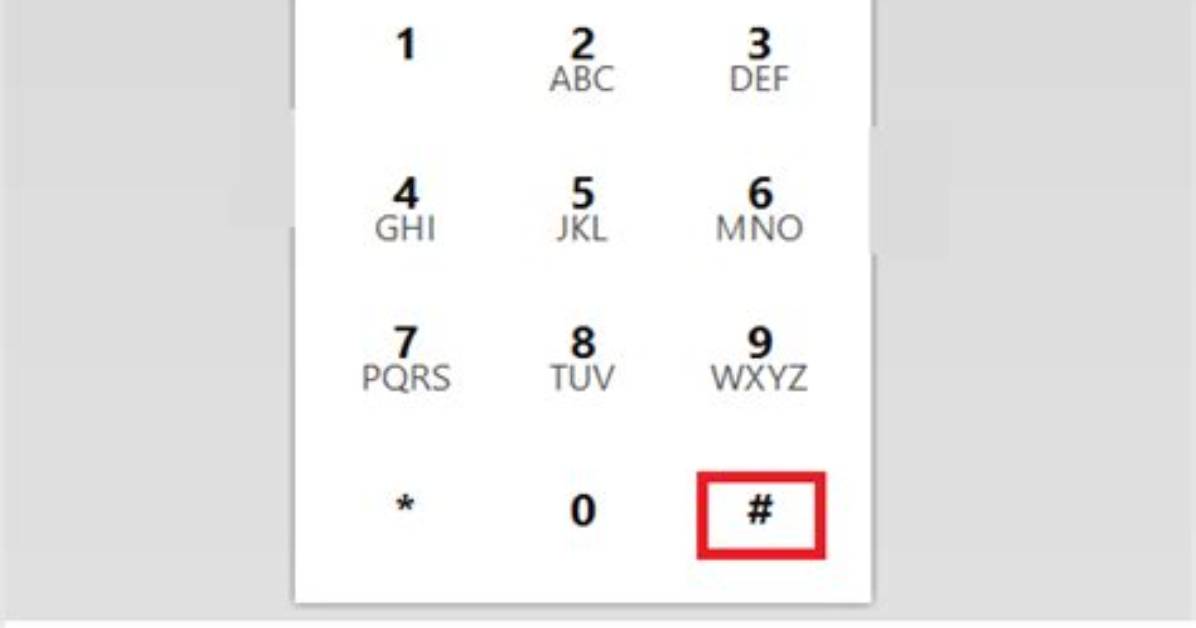
Modern telecommunication networks recognize keystrokes through dual-tone multi-frequency signaling. When you touch a dial pad key, your phone generates an acoustic pair of simultaneous sine waves: one low frequency representing its row, and one high frequency representing its column. Automated telecom equipment listens for these distinct audio pairs to register inputs without human intervention.
| Physical Glyph | North American Label | UK & Global Terminology | DTMF Frequencies | Standard Telephony Role |
|---|---|---|---|---|
| # | Pound Key / Number Sign | Hash Symbol / Hex | 941 Hz + 1477 Hz | Enter / Complete Entry / Submit PIN |
| * | Star Key | Asterisk | 941 Hz + 1209 Hz | Cancel / Return to Main Menu / Repeat |
| 0 | Zero / Operator Key | Zero / Nought | 941 Hz + 1336 Hz | Direct Agent Escalation / Default Exit |
Because software scripts inside interactive voice response systems expect this specific audio signature, typing # bypasses the built-in pause timer. An IVR system waiting for a six-digit verification code will typically wait four to six seconds after the final digit to make sure you have finished typing. Hitting the pound key immediately transmits the 941 Hz + 1477 Hz tone pair, cutting the artificial delay and triggering the next routing step instantly.
David Miller brings 15 years of experience in global economics, personal finance strategy, and market dynamics. He specializes in turning complex economic trends into actionable insights for everyday readers.
