What Does Hell Really Look Like? Why Everything Pop Culture Told You Is Wrong
 By Alexander Ross
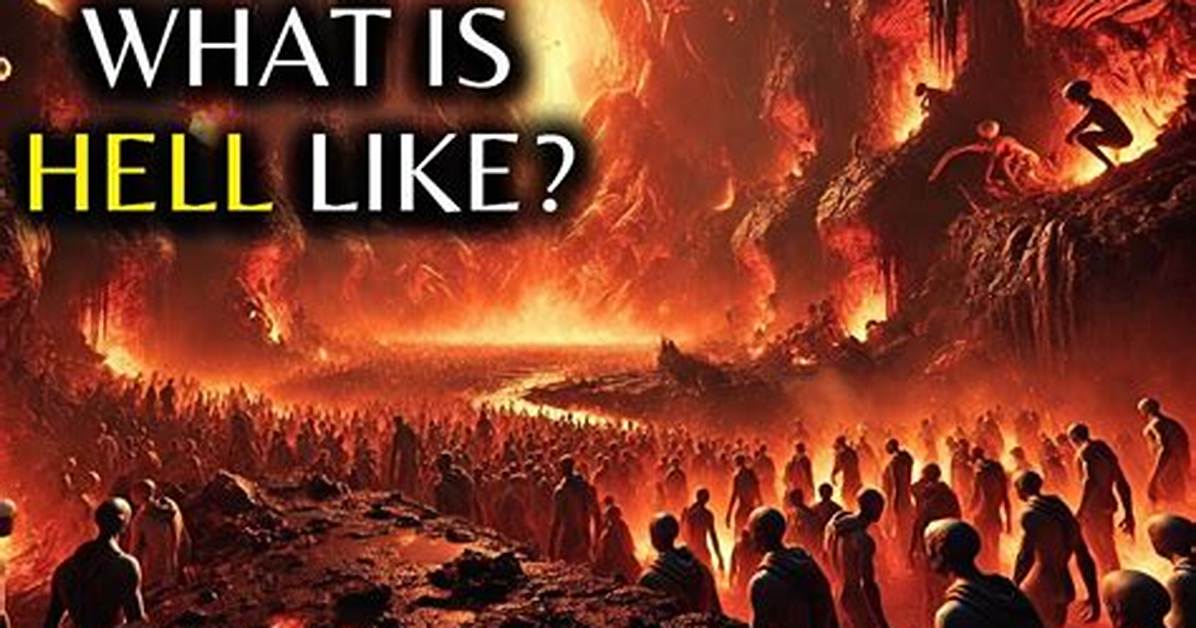
Western culture received its definitive visual blueprint of hell from a 14th-century Florentine exile. When Dante Alighieri completed his Inferno around 1320, he organized the underworld into an inverted funnel containing nine concentric circles, descending from polite philosophical melancholy directly into absolute terror. Dante combined classical Greco-Roman mythology with scholastic Catholic theology, populating his subterranean abyss with centaurs, harpies, and real political rivals from the streets of Florence.
Dante’s moral system was predicated on contrapasso, the idea that the punishment mirrors or opposes the sin. The lustful were whipped endlessly by violent winds; the gluttonous lay face-down in putrid, freezing slush. As literary analyst Mike Schramm examined in *1819 News*, Dante went so far as to cast classical heroes like Odysseus into the eighth circle inside blazing individual flames, condemning the Greek explorer for his deceptive counsel and reckless disregard for moral boundaries.
Dante’s most radical visual disruption sits at the very center of the Earth. The ninth circle, known as Cocytus, contains no flame whatsoever. It is a vast, wind-swept expanse of solid ice. Trapped at the absolute center is Lucifer, trapped in his own freezing wind generated by three sets of bat-like wings. Here, Dante transformed the worst tier of eternal damnation into absolute coldness, emotional detachment, and profound paralysis.
Alexander Ross has covered the video game industry for a decade, writing deep dives on game design, esports tournaments, VR developments, and gaming culture.
