What Do Blue and Yellow Make? Complete Guide to Color Mixing, Art, and Interior Design
 By James H. Sterling
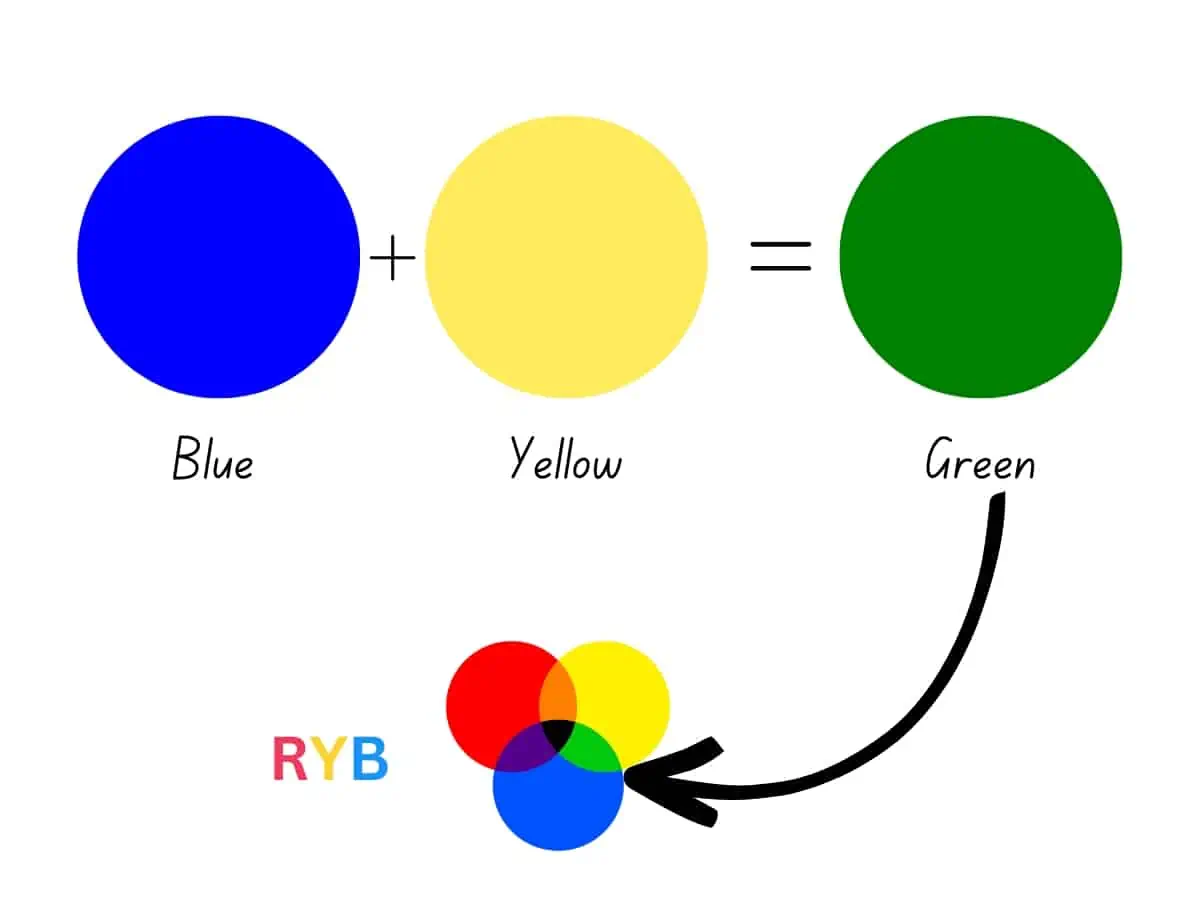
Q1: Why does mixing blue and yellow sometimes make gray or brown instead of green?
A1: This happens because one or both of your base paints contains red undertones. In subtractive mixing, combining all three primary colors (blue, yellow, and red) creates muddy brown or gray. To get a vivid green, select a cool blue (like cyan or Phthalo) and a cool yellow (like Lemon Yellow) that lack red pigment bias.
Q2: What happens if you mix blue and yellow light beams instead of paint?
A2: Mixing blue and yellow light beams produces white light, not green. Colored light follows the additive color model (RGB). Yellow light is composed of red and green wavelengths; when combined with a blue light beam, all three primary light components (red, green, blue) hit your eyes simultaneously, which your brain reads as white.
Q3: How do I mix a natural olive green without buying extra tubes?
A3: Start with a 60% yellow and 40% blue base using warm variants, such as Ultramarine Blue and Cadmium Yellow. Add a tiny dot of Burnt Umber or a pinprick of warm red (like Cadmium Red). The microscopic amount of red neutralizes the high chroma, instantly yielding an earthy olive tone.
James Sterling reports on renewable energy developments, climate policy, ecological conservation, and green tech innovations around the globe.
