Visiting the West Oakland Mural Project: Map, Locations, and Walking Tour Guide
 By Chloe Bennett
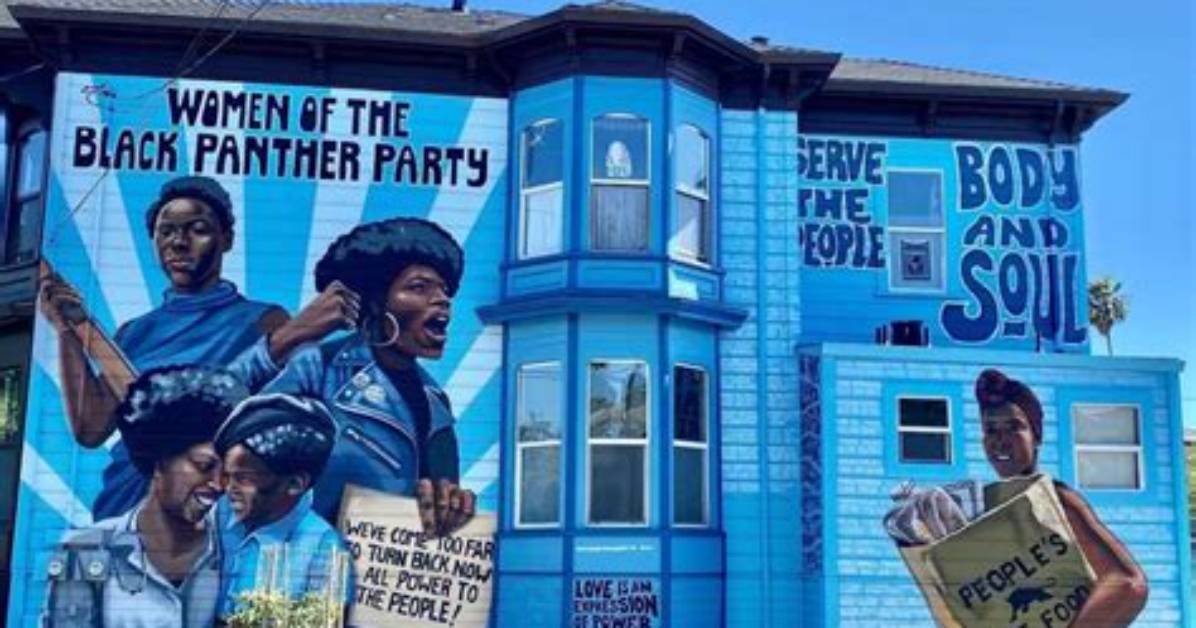
Taking a self-guided walking tour map through West Oakland works best on foot or by bicycle. The terrain is flat, but pedestrian traffic shifts between quiet residential blocks and active freight corridors near the Port of Oakland.
Stop 1: West Oakland BART Station (7th & Chester Streets)
Step out from the elevated BART tracks onto 7th Street. Look immediately west along the corridor that once formed the economic heartbeat of Black Oakland. Mid-century jazz clubs like Slim Jenkins’ Place once lined this strip before federal urban renewal programs and transit construction leveled dozens of blocks in the 1960s.
Stop 2: 7th Street Historic Blues and Civic Murals
Head east along 7th Street toward Center Street. Commercial walls here preserve the musical lineage of the West Coast blues boom. Local collectives have painted portraits of civil rights figures, union longshoremen, and Pullman porters who organized through the local rail terminals.
Stop 3: 827 Center Street (The West Oakland Mural Project)
Turn north onto Center Street and walk two blocks to the corner of 9th Street. Give yourself 20 to 30 minutes at this location. Take time to read the hundreds of names stenciled along the base of the Victorian. The building faces east, meaning morning light offers the clearest visibility for photography.
Stop 4: DeFremery Park (18th & Adeline Streets)
Walk north on Center Street, cut across 14th Street, and enter DeFremery Park, known locally as Little Bobby Hutton Park. This public park served as the staging ground for the Black Panther Party's massive community rallies and food giveaways in the late 1960s. The recreation center walls and surrounding perimeter hold murals dedicated to youth empowerment and local political history.
Stop 5: Mandela Parkway Greenbelt & The Say Her Name Mural
Head west toward Mandela Parkway. The parkway covers the path where the double-decker Cypress Freeway collapsed during the 1989 Loma Prieta earthquake. Today, wide pedestrian pathways connect industrial warehouses turned art studios. Search out the Say Her Name installations along industrial fences, dedicated to Black women lost to state and interpersonal violence.
Chloe Bennett explores the intersection of pop culture, streaming entertainment, digital trends, and contemporary lifestyle. Her weekly commentary reaches thousands of culture enthusiasts.
