Tri-Cities in Washington State: the Complete Guide to Living, Safety, and Local Growth
 By James H. Sterling
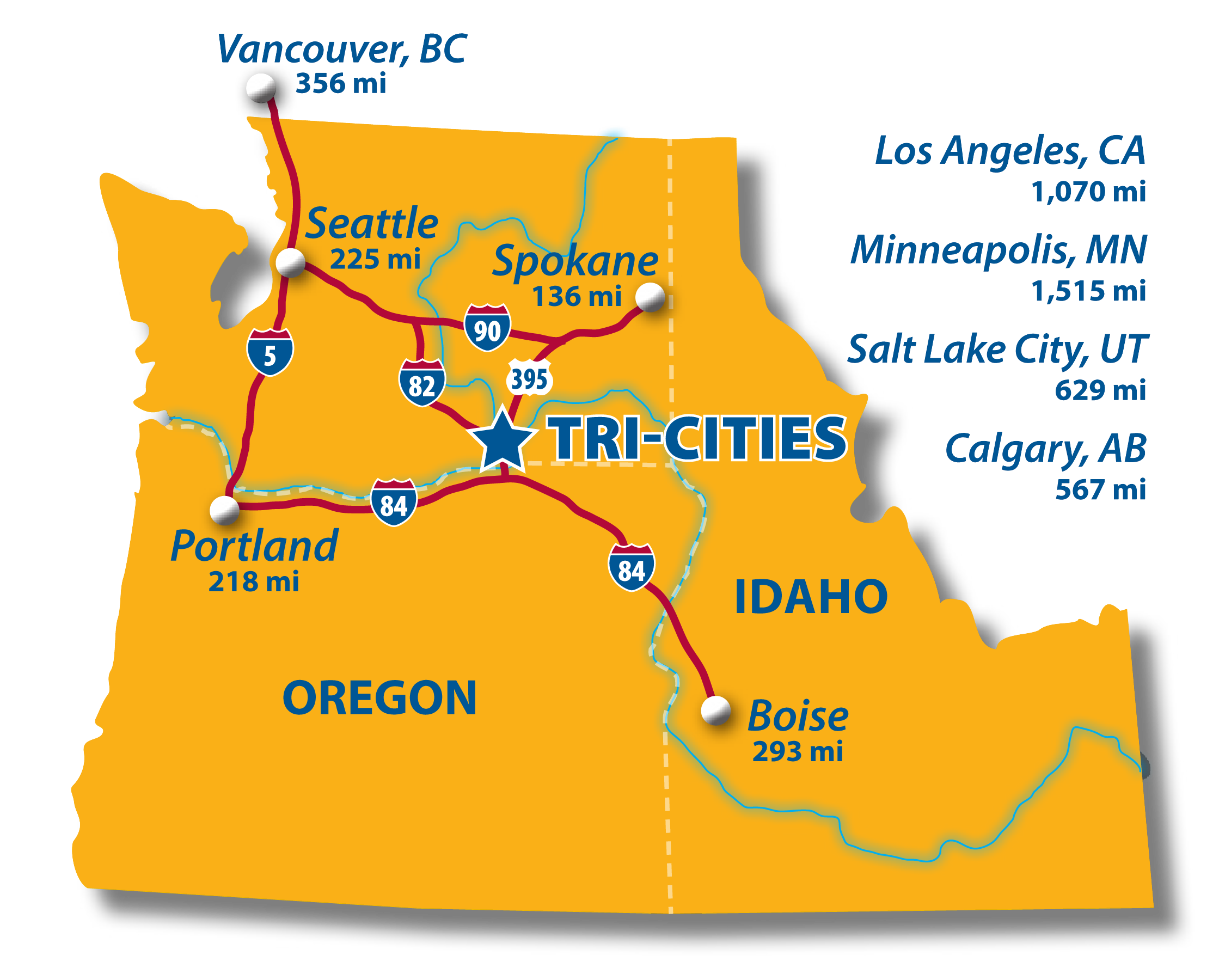
Although outsiders view the Tri-Cities as a uniform sprawl, each city retains a unique economic profile, tax footprint, and cultural character. Deciding where to establish roots largely hinges on what trade-offs a household is prepared to make between commute times, school districts, and community infrastructure.
Richland operates as the scientific and technical backbone of the metro area. Positioned furthest north along the Columbia River, its identity was shaped during the Manhattan Project. Today, it hosts the sprawling campus of the Pacific Northwest National Laboratory (PNNL) and thousands of federal contractors working on the ongoing Hanford site environmental cleanup. Its neighborhoods, particularly north of Interstate 182, feature established tree canopies, riverfront walking paths, and higher-than-average median household earnings. Housing here runs at a premium, driven by steady demand from engineers, research scientists, and healthcare specialists at Kadlec Regional Medical Center.
Kennewick acts as the commercial retail core of Benton County. Clustered around the Columbia Center Mall corridor and the Highway 395 exchange, Kennewick houses the bulk of the area's big-box retail, entertainment venues, and medical plazas. Housing ranges widely: mid-century ramblers dominate downtown and central tracts, while South Kennewick features sprawling custom builds on rolling ridge tops overlooking the Horse Heaven Hills. Families prioritize South Kennewick for its high-performing schools, though arterial traffic on Highway 395 and Clearwater Avenue has steadily worsened during morning commutes.
Pasco, situated directly east across the Columbia River in Franklin County, remains the fastest-growing municipality of the three. Anchored historically by agricultural processing and the BNSF rail classification yard, Pasco is a bilingual community with deep ties to Mid-Columbia farming. The city has split into two distinct sub-markets: the historic core near the rail lines and downtown, and West Pasco, an explosive suburban expansion along Road 68 and Broadmoor Boulevard. Young families flock to West Pasco for newly constructed master-planned communities, though school capacity and roadway widening have lagged behind residential permitting.
James Sterling reports on renewable energy developments, climate policy, ecological conservation, and green tech innovations around the globe.
