The Ultimate Ground Control to Psychoelectric Girl Guide: Characters, Themes, and Lore
 By Alexander Ross
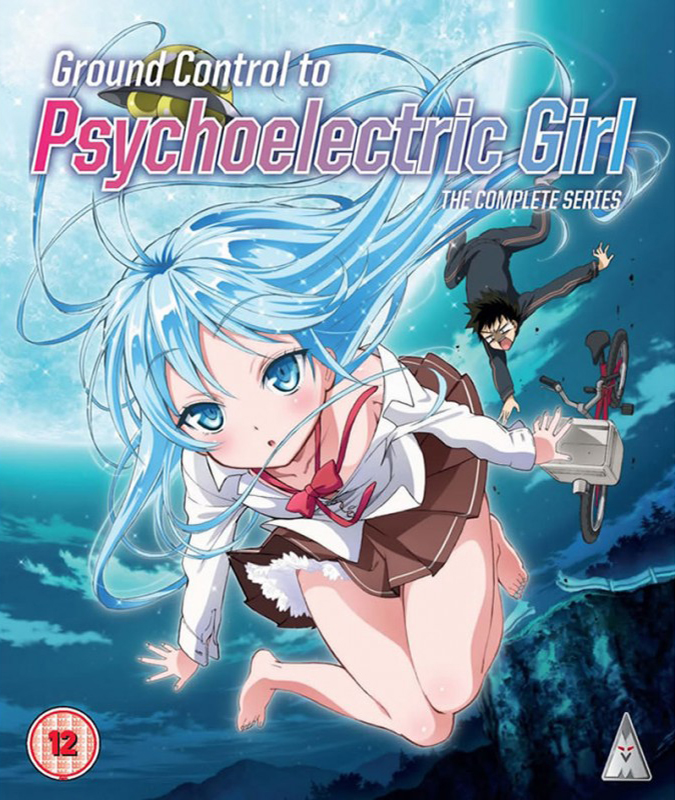
Makoto views his high school career through an internal accounting system: the youth points system. Romantic gestures, spontaneous outings, and friendly banter earn positive marks. Humiliation, social friction, and eccentric behavior deduct points.
The system reflects the extreme pressure placed on Japanese youth to secure a storybook adolescence, a cultural concept known as seishun. Makoto’s scorecard commodifies spontaneous life into a strict ledger. His classmates, each coping with social expectations in their own offbeat ways, break this metric down across the narrative.
| Character | Coping Mechanism | Narrative Function |
|---|---|---|
| Makoto Niwa | Youth points tracking (+/- scorecard) | Quantifies spontaneous life to control social anxiety. |
| Erio Towa | Alien investigator persona & futon coccoon | Builds defensive delusion to escape trauma and memory loss. |
| Ryuko Mifune | Perpetual motion, cycling, bike helmet | Channels self-consciousness into relentless, sunny overactivity. |
| Maekawa | Public mascot suits & deadpan cosplay | Hides physical insecurity over tall stature through costuming. |
Classmate Ryuko Mifune (whom Makoto nicknames Ryuushi, to her constant annoyance) covers her insecurities with hyperactive athletics. Meanwhile, Maekawa deals with her towering height and fragile constitution by dressing up in oversized food costumes and mascot outfits. Everyone in Hitoma Iruma’s town wears a disguise; Erio is simply the only one whose costume is an unwashed futon.
Alexander Ross has covered the video game industry for a decade, writing deep dives on game design, esports tournaments, VR developments, and gaming culture.
