The Transient Effects of True Love: an in-Depth Look at the 'Before' Trilogy
 By Marcus Vance
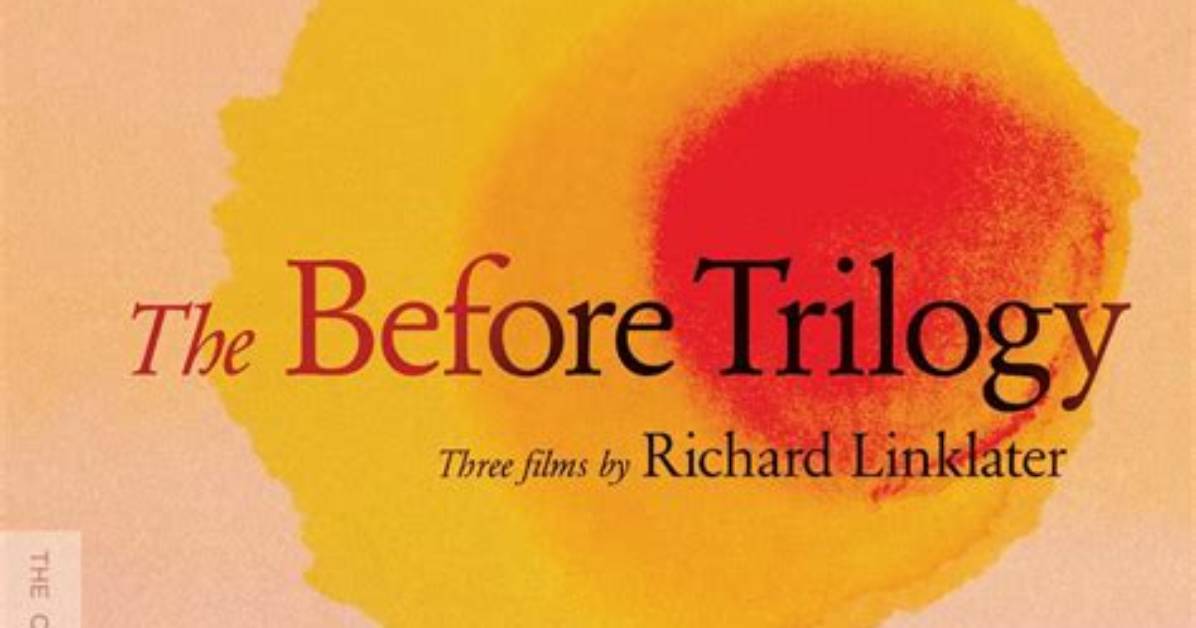
When Richard Linklater revisited the characters nine years later in 2004, the buoyant optimism of Vienna had curdled into the bittersweet realities of early thirties adulthood. Before Sunset stands apart structurally. Unfolding across a compact 80 minutes, the narrative mirrors real-world time as Jesse and Celine walk through Paris during the promotional tour for Jesse’s best-selling novel based on their Viennese night.
1995 2004 2013
[ Before Sunrise ] +9 Years [ Before Sunset ] +9 Years [ Before Midnight ]
Vienna, Austria Paris, France Messenia, Greece
Idealistic Projection Urgency & Lost Time Domestic Friction
The conversational dynamic shifts dramatically here. The banter is faster, nervous, and protective. Delpy and Hawke, who officially joined Linklater as credited screenwriters, infused the dialogue with specific psychological tensions. Jesse is trapped in an affectionless marriage in New York, while Celine wrestles with chronic relationship fatigue and political activism that masks personal isolation.
The walk and talk narrative operates under acute temporal anxiety: Jesse has an afternoon flight to catch at Charles de Gaulle Airport. The subtext of every step down the Promenade Plantée and every minute spent on a Seine riverboat centers on the gap between what their lives became and what they imagined on that train platform in 1995. Unlike the original film, where conversation functioned as speculative play, speech in Before Sunset operates as an interrogation of lost time. The final sequence inside Celine’s apartment, punctuated by Nina Simone’s "Just in Time", concludes on an ambiguous, breathless cliffhanger that remains one of contemporary cinema’s most effective emotional climaxes.
Marcus Vance is a cybersecurity auditor and technology writer dedicated to educating the public about online safety, data privacy regulations, enterprise security, and emerging cyber threats.
