The Tech Flaw: Why School Firewalls Cannot Easily Block 'Google Classroom' Game Hubs
 By Chloe Bennett
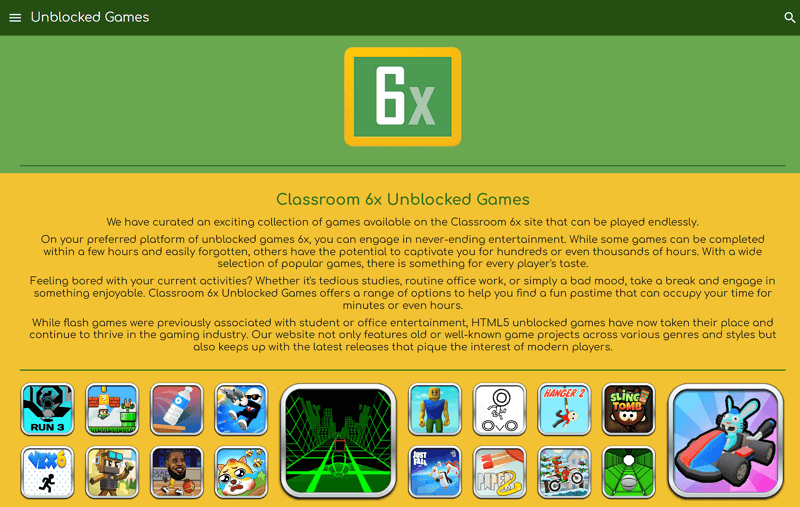
The technical challenge expands when students transition from solo offline engines to interactive two-player classroom games. Real-time multiplayer games traditionally required dedicated gaming servers that school firewalls blocked based on known port signatures or blacklisted hosting providers.
Modern web architectures bypass those barriers through WebSocket connections running over default TLS port 443. Once an initial HTTPS connection clears the firewall, the browser upgrades the connection to a full-duplex WebSocket stream. The network appliance sees only an ongoing data stream flowing to an encrypted cloud provider, often Amazon Web Services, Cloudflare Workers, or Google Cloud Run.
+------------------+ HTTPS GET Request +-----------------------+
+------------------+ +-----------------------+
| 1. Whitelist Approved (TLS Handshake Verified) |
|<----------------------------------------------------------+
|
| 2. Payload Delivers Base64 HTML5 Engine
| & Initiates WebSocket Handshake over Port 443
|
v
+------------------+ Encrypted Full-Duplex +-----------------------+
+------------------+ +-----------------------+
Students also chain these tools with lightweight web proxies such as Ultraviolet and TompHTTP. These proxy networks intercept browser requests at the service-worker level. When a student enters an external URL inside an embedded proxy page, the script rewrites the resource requests, encodes the URL strings in base64, and fetches the assets through decentralized edge workers.
Filter extensions running on Chromebooks inspect the URL bar, but see only the path of the hosted educational document. By the time the proxy fetches external assets, the request looks indistinguishable from API calls that legitimate educational web apps make every minute.
Chloe Bennett explores the intersection of pop culture, streaming entertainment, digital trends, and contemporary lifestyle. Her weekly commentary reaches thousands of culture enthusiasts.
