The Shift in Carb Counting: Why Dietitians Want You to Rethink Net Carbs
 By Alexander Ross
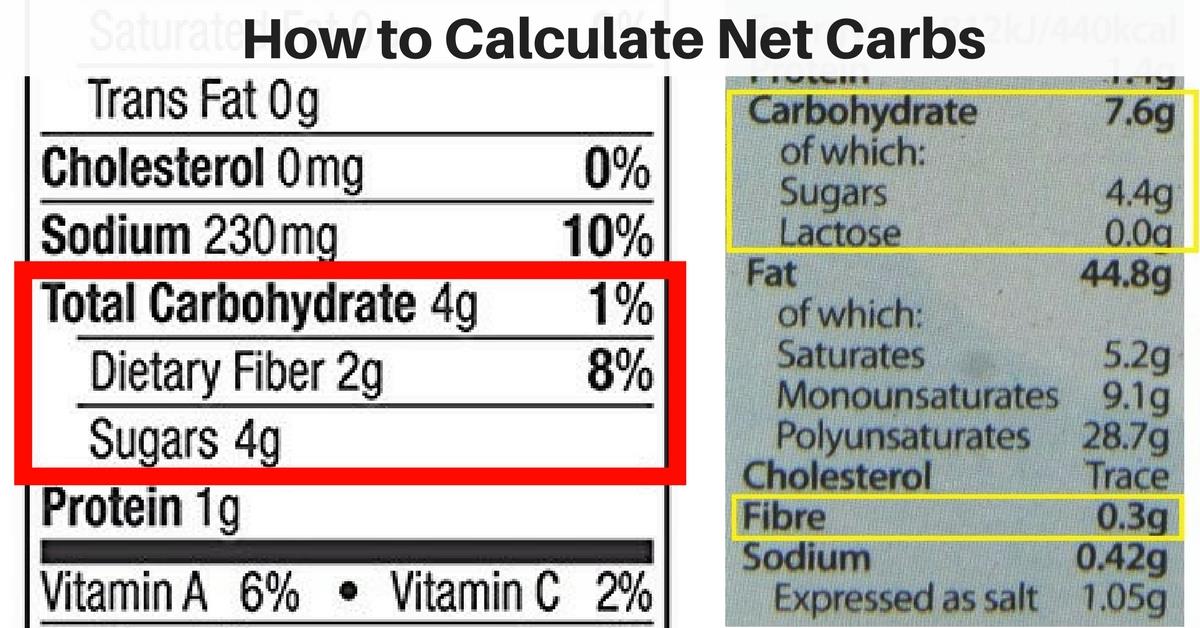
The standard method to calculate a net carb appears straightforward on paper. Consumers find the total carbohydrates line on a nutrition facts label, locate the lines below it, and subtract grams of dietary fiber along with sugar alcohols. In theory, whatever remains represents the digestible carbohydrate fraction that converts into glucose and triggers an insulin response.
UCLA Health clinical documentation notes that standard commercial formulas subtract 100% of dietary fiber and 50% to 100% of sugar alcohols. If an energy bar contains 22 grams of total carbohydrate, 10 grams of dietary fiber, and 8 grams of erythritol, the package prominently advertises 4 grams of net carbs. The equation assumes these subtracted compounds transit the human gastrointestinal tract without contributing glucose to circulation or calories to energy balance.
That assumption breaks down under biological scrutiny. The FDA mandates the disclosure of total carbohydrates, fiber, and total sugars on labels, but the agency does not recognize net carbs as an official metric. Without federal oversight, food manufacturers formulate highly processed convenience items packed with modified starches, brand them as dietary staples for the ketogenic diet, and market them directly to people seeking tight glycemic control.
Alexander Ross has covered the video game industry for a decade, writing deep dives on game design, esports tournaments, VR developments, and gaming culture.
