The Rise of Unstuffed Skillets: How Deconstructed Peppers Took over Weeknight Dinners
 By Elena Rostova
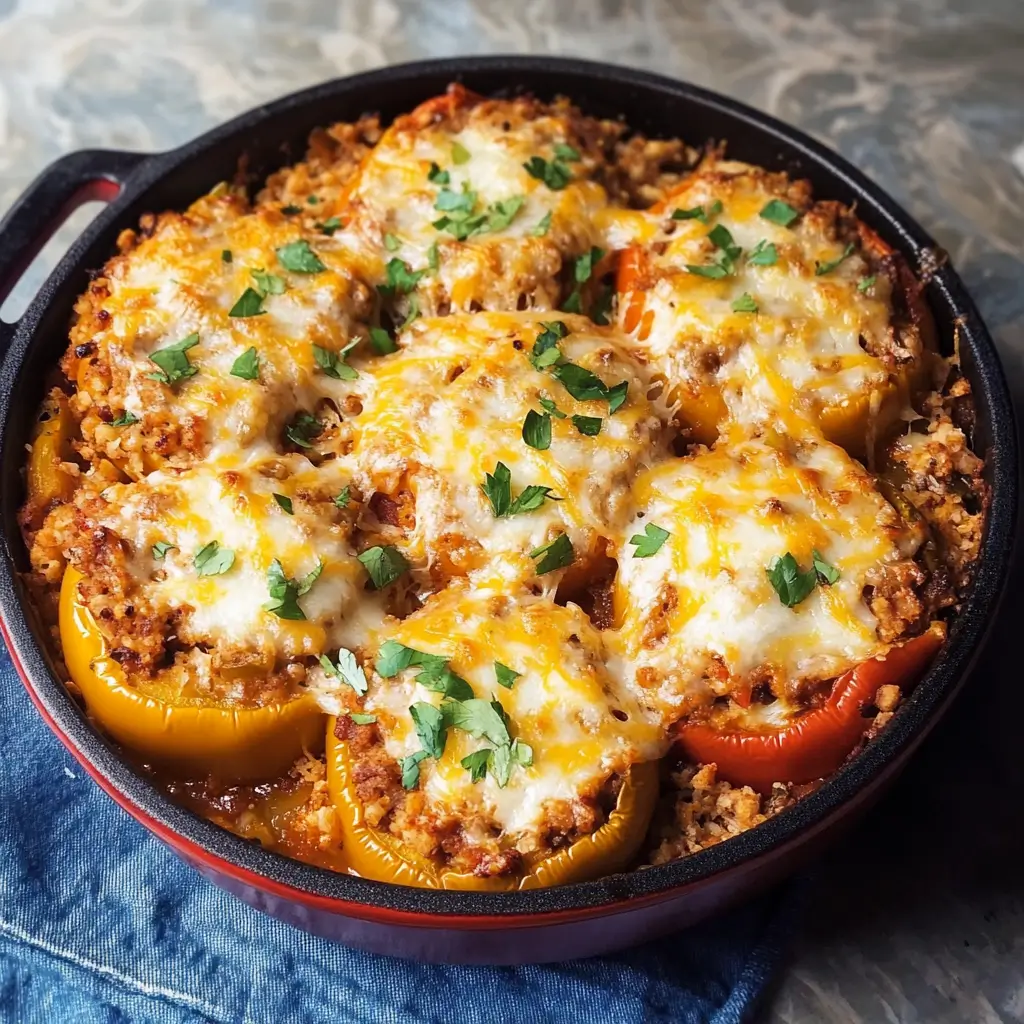
The traditional stuffed pepper carried inherent culinary flaws. Whole bell peppers need lengthy dry heat to soften, but prolonged oven baking often draws moisture out of the vegetable, pooling water at the bottom of the casing while drying out the protein stuffing inside. To avoid raw pepper flesh, older recipes demanded an extra par-boiling step, creating multiple dirty pots before the meal ever entered the oven.
Chopping the pepper solves the physics of the dish. Diced bell peppers hit a hot skillet with direct thermal contact, blistering the exterior skins through Maillard browning while preserving a crisp-tender bite. Browning the aromatics alongside lean ground beef or a lighter ground turkey substitute allows rendered fats to coat the vegetable pieces directly.
Culinary educators have long recognized this shift. Instead of treating the pepper as an edible bowl, cooking it as a primary aromatic vegetable distributes its natural sugars and acidity throughout the entire mixture. The result tastes richer, cooks faster, and requires far less effort.
Elena Rostova holds a Master's degree in Public Health Journalism. She covers groundbreaking medical research, holistic wellness trends, mental health awareness, and nutritional science.
