The Rise of High-End Matcha Cakes: How a Traditional Tea Became a Status Dessert
 By Sophia Al-Mansoor
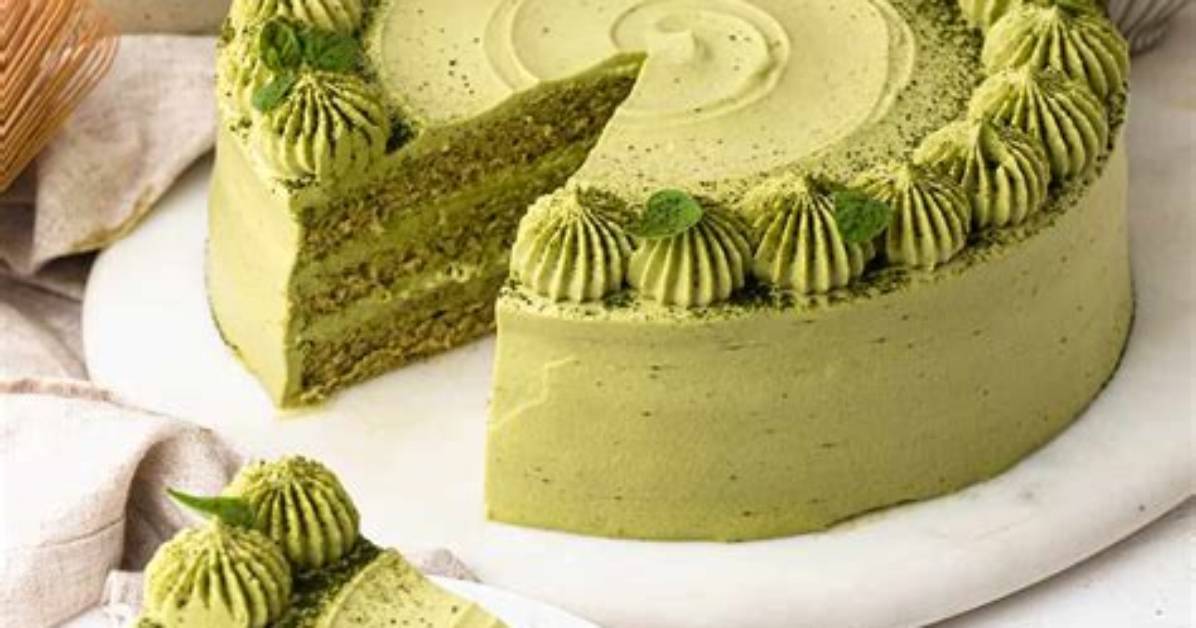
Matcha began as a meditative ritual in twelfth-century Japanese Zen monasteries. Monks whipped powdered tea leaves into hot water to cultivate alertness during long hours of meditation. Centuries later, tea masters like Sen no Rikyū codified the practice into chanoyu, elevating tea preparation to an art form defined by mindfulness and seasonal appreciation. Sugar was rarely part of the equation.
The transformation into a global pastry obsession gained momentum in the late 1990s and exploded over the past decade. Japanese pastry innovators in Tokyo began synthesizing classical French techniques with traditional tea profiles, pairing butter-heavy lamination with bitter tea infusions. When luxury operations like Lady M popularized the matcha crepe cake in North America, the confectionery crossed over into status dessert culture. By 2026, social platforms turned vibrant emerald slices into badges of refined taste, sparking a boom in consumer demand that tested a highly finite agricultural market.
Sophia analyzes international trade, startup ecosystems, retail transformation, and supply chain logistics for modern digital publications.
