The Ghost Territories: Why the Us Minor Outlying Islands Exist and Why Almost Nobody Lives There
 By Robert Thorne
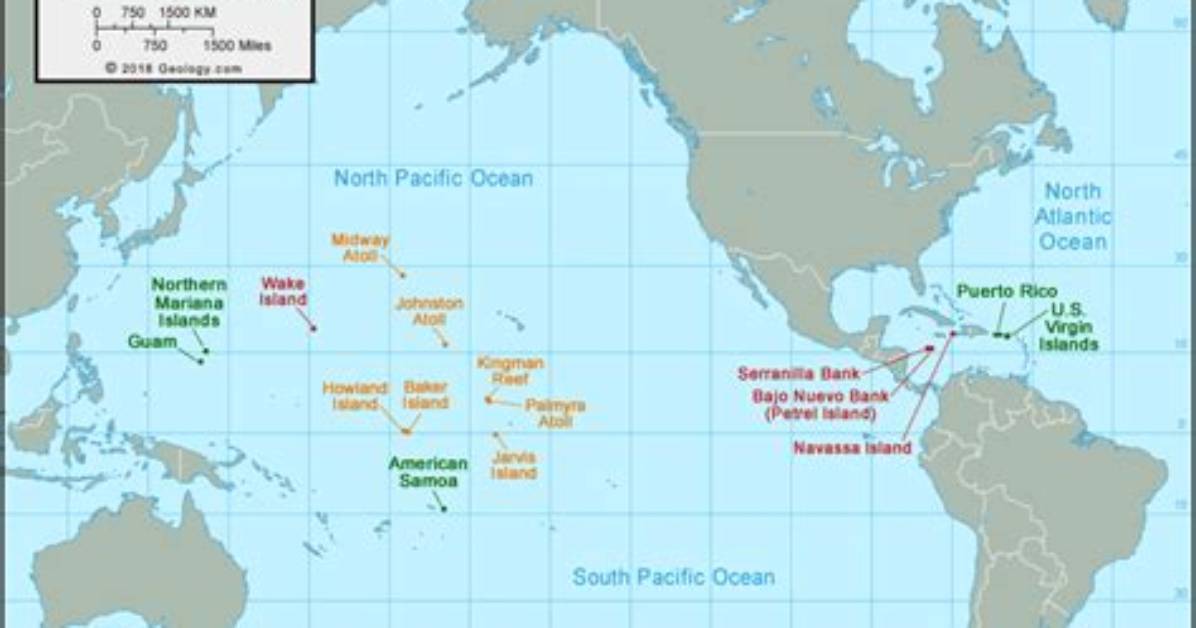
During the twentieth century, several of the islands became critical military installations. Midway Atoll, immortalized by the 1942 naval battle that shifted the balance of World War II, served as an active naval air station and submarine refueling stop throughout the Cold War. At its population peak, several thousand service members and families lived in base housing on Sand Island.
Further south, Johnston Atoll became one of the most secret and heavily engineered military sites on Earth. Between the 1950s and the 1970s, the US Department of Defense used the atoll for high-altitude nuclear weapons testing under Operation Dominic, causing radioactive contamination across parts of the reef when missiles failed on the launch pad. Later, the island housed the Johnston Atoll Chemical Agent Disposal System (JACADS), a massive industrial incineration complex that destroyed millions of pounds of nerve agent, blister gas, and mustard agents. When the plant was decommissioned in the 2000s, workers tore down the facilities, capped contaminated areas with soil, and abandoned the concrete runways.
Wake Island, located far to the west near the Marshall Islands, remains an active installation managed by the US Air Force. Wake houses an operational 9,800-foot runway that serves as an emergency transpacific divert airfield and a crucial launch and tracking node for missile defense testing. Personnel on Wake are entirely transient, composed of military specialists and support contractors serving short tours.
Robert Thorne covers electric vehicle innovations, autonomous driving systems, global mobility trends, and automotive engineering developments.
