The Evolution of the Card Shop: from Local Countertop Hobby to Multi-Billion Market
 By David Miller
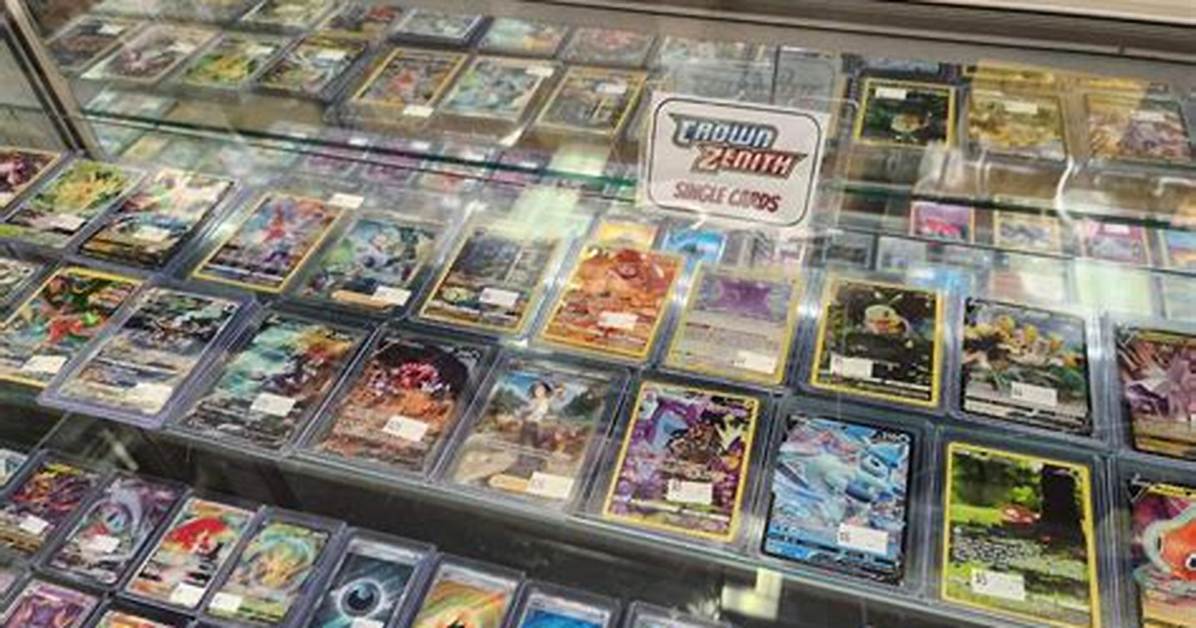
A shop cannot survive on distributor allocations alone. Wholesale margins on sealed product from mainline distributors have tightened to razor-thin percentages, often sitting between 8% and 14% after accounting for shipping overhead and payment processing fees. The actual lifeblood of the modern hobby shop business model sits at the buyback and consignment counter.
When a customer walks through the door with an organized binder or a vintage shoebox, the shop functions as a direct liquidity provider. Store operators offer immediate cash, typically 50% to 65% of prevailing market value, or in-store trade credit ranging from 70% to 80%. This transaction solves an immediate friction point for sellers: avoiding platform commission cuts, packaging risks, and buyer disputes on online marketplaces.
Once acquired, the shop breaks down the collection. Bulk cards get sorted into low-cost pick bins, tournament staples fill the front display cases, and pristine vintage rarities head out for professional encapsulation. For high-ticket items valued above $2,500, consignment counters handle transactions for an 8% to 15% service fee. This protects store cash reserves while guaranteeing premium inventory for top-tier collectors.
[Collector / Walk-in Seller]
│
▼
[Intake & Optical / UV Authentication]
│
├────────────────────────┬────────────────────────┐
▼ ▼ ▼
[Cash / Store Credit] [Consignment] [Grading Submission]
(50%, 75% Market Value) (High-Value Singles) (PSA / BGS / CGC Pipeline)
│ │ │
▼ ▼ ▼
[Display Case Sales] [Tiered Platform Fee] [Encapsulated Inventory]
(Immediate Liquidity) (8%, 15% Spread) (Premium Margin / Auction)
David Miller brings 15 years of experience in global economics, personal finance strategy, and market dynamics. He specializes in turning complex economic trends into actionable insights for everyday readers.
