The Evolution of Azerbaijani Food in Nyc: How Sheepshead Bay Put Baku on the Map
 By Chloe Bennett
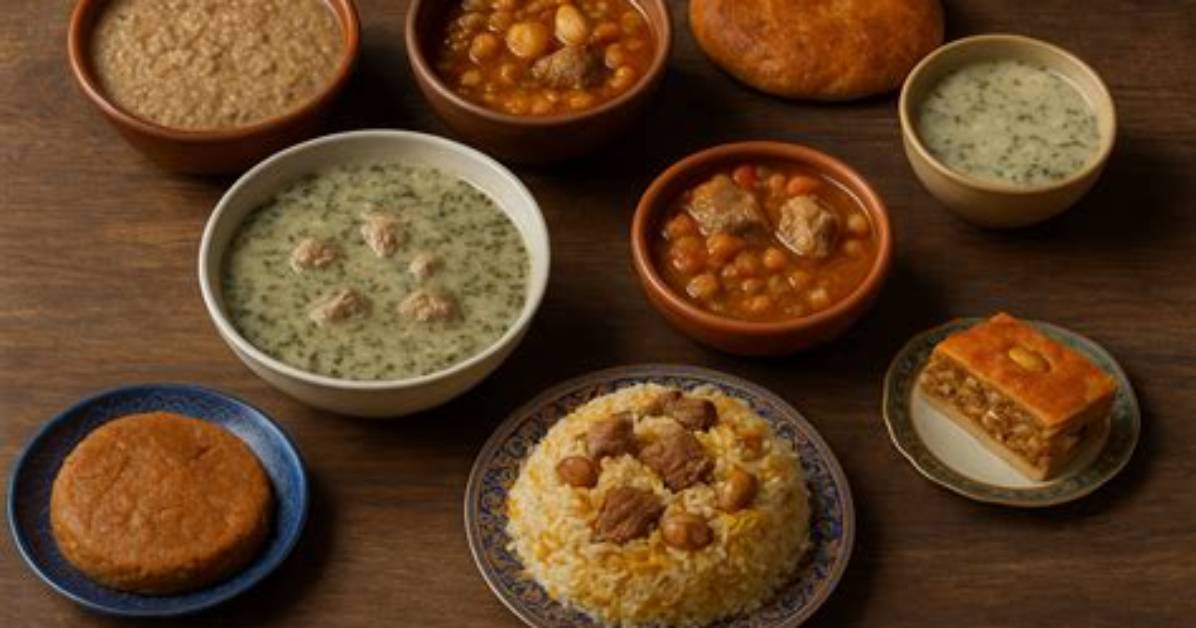
The migration wave that brought Azerbaijani cooks to Brooklyn accelerated dramatically after the dissolution of the Soviet Union in 1991. Early arrivals settled in neighborhoods like Midwood, Bensonhurst, and Sheepshead Bay, where existing Eastern European infrastructure offered affordable commercial real estate and compatible supply chains. Rather than opening explicitly branded Azerbaijani restaurants, many culinary operators initially folded their recipes into broad pan-Soviet and Eastern European menus.
Local businesses catered to diverse diaspora communities: Mountain Jews from northern Azerbaijan, ethnic Azeris, Georgians, and Central Asians. For over a decade, cooks prepared authentic meals behind closed doors for community weddings, private anniversaries, and holidays like Novruz. Over time, growing confidence and community numbers encouraged restaurateurs to step out from behind pan-regional branding. By the mid-2000s, Baku-branded signs appeared over Emmons Avenue properties, transforming quiet bay-facing blocks into bustling destinations for coal-fired cooking.
Sheepshead Bay offered an ideal physical analog to Baku. As highlighted in regional profiles by outlets like Untapped New York, the neighborhood's active fishing piers, charter boats, and salt breezes echo the maritime environment of the Caspian Sea coastline. That waterside geography shaped how the community built its dining rooms, favoring sprawling, window-lined banquet houses overlooking the marina over cramped interior storefronts.
Chloe Bennett explores the intersection of pop culture, streaming entertainment, digital trends, and contemporary lifestyle. Her weekly commentary reaches thousands of culture enthusiasts.
