The Definitive Geek vs Nerd vs Dork Chart: What the Famous Venn Diagram Actually Proves
 By Alexander Ross
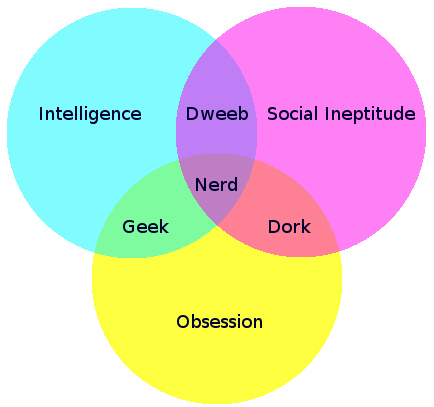
The terms did not emerge in a vacuum. Their definitions shifted dramatically over the past century, mirroring larger economic transformations.
In the early 1900s, a "geek" referred to a carnival sideshow performer known for shocking acts, such as biting the heads off live chickens or snakes. The word derived from the Low German geck, meaning a fool or freak. By the late 1970s, the term migrated to computer laboratories, identifying engineers who preferred hardware architecture to human interaction.
The word "nerd" made its first documented appearance in 1950 inside Dr. Seuss's children's book If I Ran the Zoo, identifying a small, unkempt, sour creature. Within a decade, midwestern teenagers adopted it to describe awkward, bookish peers. By the 1980s, films like Revenge of the Nerds cemented the image of pocket protectors, tape-wrapped glasses, and unyielding academic focus.
The rise of the technology sector during the late 1990s inverted this social pyramid. Software engineers and venture capitalists accumulated immense cultural influence. Geek culture transformed into mainstream entertainment. Today, superhero franchises, fantasy epics, and video game properties dominate commercial media. The geek became a high-value consumer and an economic engine, altering the stakes of subcultural classification.
Alexander Ross has covered the video game industry for a decade, writing deep dives on game design, esports tournaments, VR developments, and gaming culture.
