The Definitive Aa Battery Test Guide: Best Rechargeables and Alkalines Ranked
 By Maya Lin-Takahashi
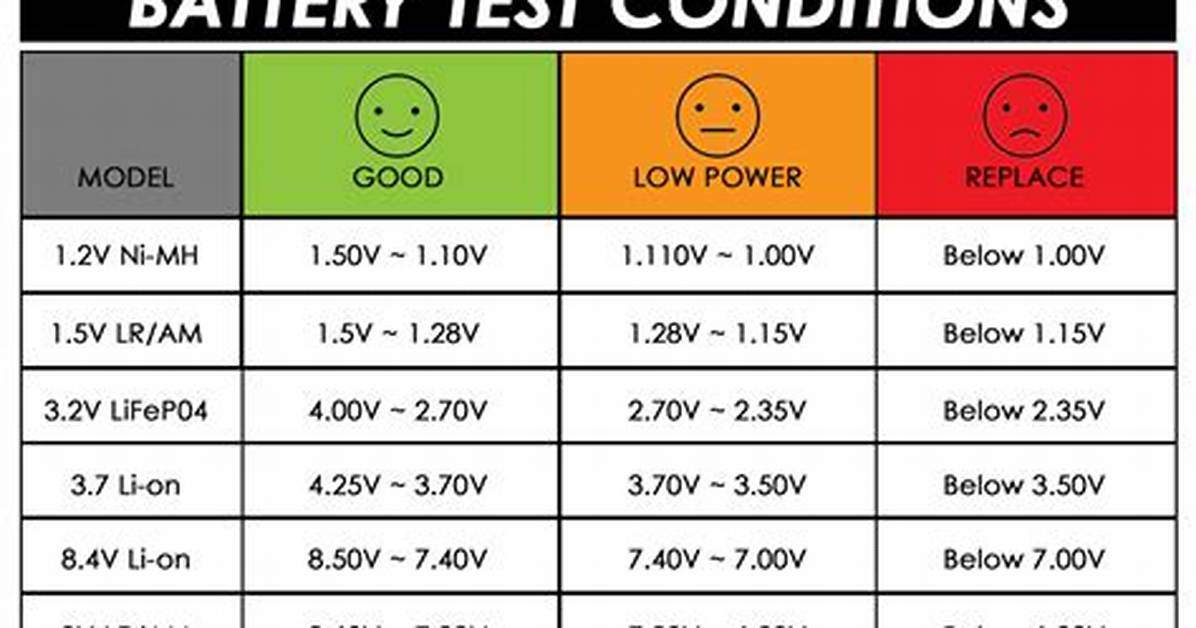
Understanding battery performance requires understanding cutoffs. A fresh alkaline cell reads approximately 1.58V to 1.62V on an open circuit. As power draws down, that voltage steadily slopes downward. Low-drain hardware, such as wall clocks and wireless mice, can extract energy down to 0.8V. Sophisticated digital gear operates differently.
Modern microcontrollers, handheld gaming remotes, and motorized tools typically feature a firmware-enforced voltage cutoff threshold set between 1.05V and 1.15V. The moment internal resistance causes the cell's voltage to dip below that floor, the gadget shuts down with a "battery low" warning. In high-draw situations, an alkaline battery reaches that cutoff while retaining an enormous reserve of chemical potential that simply cannot escape fast enough.
This dynamic shifts entirely when using rechargeable NiMH AA cells or advanced Energizer Ultimate Lithium (iron disulfide) disposables. A NiMH cell starts at a lower nominal 1.2V, but its discharge curve remains essentially flat. It sits between 1.20V and 1.25V across 80% of its entire discharge run before falling off sharply at the end. For high-drain devices, a 2,000mAh NiMH cell will routinely outlast a 2,500mAh alkaline cell simply because it maintains working voltage under load.
Maya is a hardware enthusiast who tests and reviews smart home devices, smartphones, wearables, and audio gear. She focuses on practical consumer value and build quality.
