The Complete Guide to Amazon Fulfillment Picking Totes: Operations, Automation, and Worker Role Changes
 By Sophia Al-Mansoor
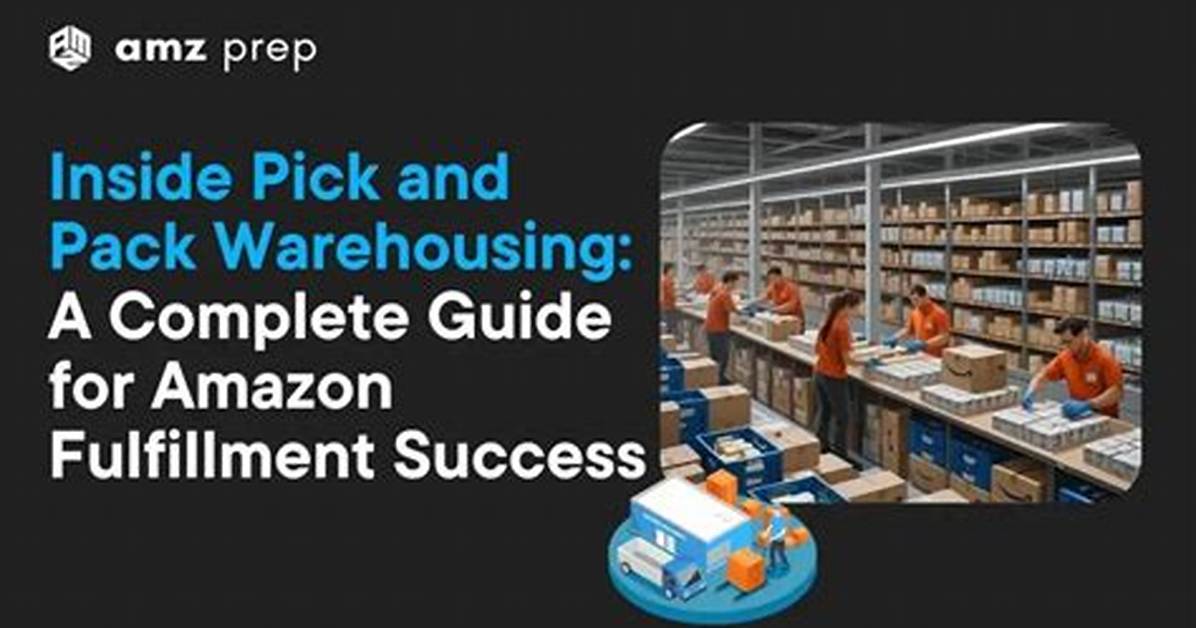
The order fulfillment cycle begins well before an item reaches the yellow bin. Inventory enters the building through inbound dock doors, where workers stow items randomly into vertical fabric shelving units known as inventory stowing pods. Drive units, squat, wheeled robots formerly known as Kiva drives, lift these multi-ton pods and transport them across fenced operational floors to outbound picking stations.
When a customer confirms a purchase, the warehouse management system dispatches a robotic drive unit carrying the relevant pod directly to an associate’s station. The screen overhead illuminates a designated cubbyhole on the pod while a scanner paints the item with a beam of light. The worker grasps the merchandise, inspects it for visible damage, scans its universal product code, and deposits it into the waiting plastic container.
This physical motion completes the pick to tote workflow. Scanning the tote’s permanent exterior barcode instantly binds the physical item to the virtual batch inside the software architecture. Once a tote meets its volumetric capacity or completes a specific batch order, the associate pushes it onto an integrated motorized takeaway belt. The entire sequence at the station takes between 7 and 12 seconds per pick.
Sophia analyzes international trade, startup ecosystems, retail transformation, and supply chain logistics for modern digital publications.
