The Bourbon Street Illusion: Why Mardi Gras Isn't What Pop Culture Promised
 By Sophia Al-Mansoor
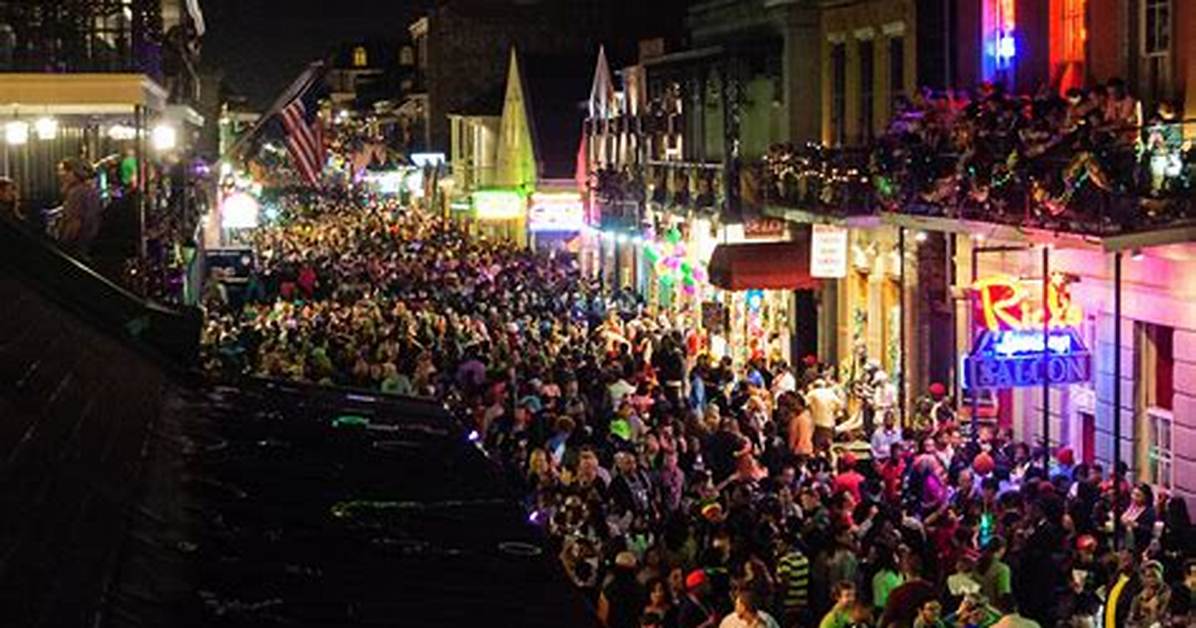
The most common misconception held by first-time visitors is that major Mardi Gras parades pass through the French Quarter. They do not. Massive tandem floats, towering two stories high and pulled by industrial tractors, cannot physically navigate the narrow, colonial-era roadways of Vieux Carré.
Since 1973, when municipal authorities banned large floats from French Quarter streets to protect historic architecture and control crowd density, all major parade routes have run through Uptown, Mid-City, and the Central Business District.
Along the classic St. Charles Avenue route, the atmosphere resembles a massive neighborhood reunion rather than a frat house basement. Families stake out sidewalk spots before dawn, setting up folding chairs, ice chests, and custom-built wooden ladders fitted with enclosed seats for toddlers. Float riders throw millions of items: hand-decorated Zulu coconuts, hand-painted Muses shoes, plush toys, and strands of beads. Demanding someone expose themselves in this environment is considered socially abhorrent and socially dangerous.
| Festival Dimension | Bourbon Street Corridor | Uptown & Mid-City Parade Routes |
|---|---|---|
| Primary Participant Demographic | Domestic and international tourists, college students, bachelor parties | Multi-generational families, lifelong residents, neighborhood groups |
| Bead Distribution Method | Tossed downward from rented private balconies, frequently traded for exposure | Thrown freely by masked krewe members from massive, choreographed floats |
| Legal Enforcement Posture | Informal tolerance of minor exposure, shifting to arrest if crowds block traffic | Zero-tolerance enforcement of municipal public indecency statutes |
| Core Cultural Drivers | Late-night bar sales, novelty beverages, voyeurism, commercial spectacle | Civic satire, marching brass bands, krewe hierarchy, Mardi Gras Indian culture |
Sophia analyzes international trade, startup ecosystems, retail transformation, and supply chain logistics for modern digital publications.
