The Biotextile Evolution: How Medical Silk Fibers Entered Modern Aesthetics
 By Elena Rostova
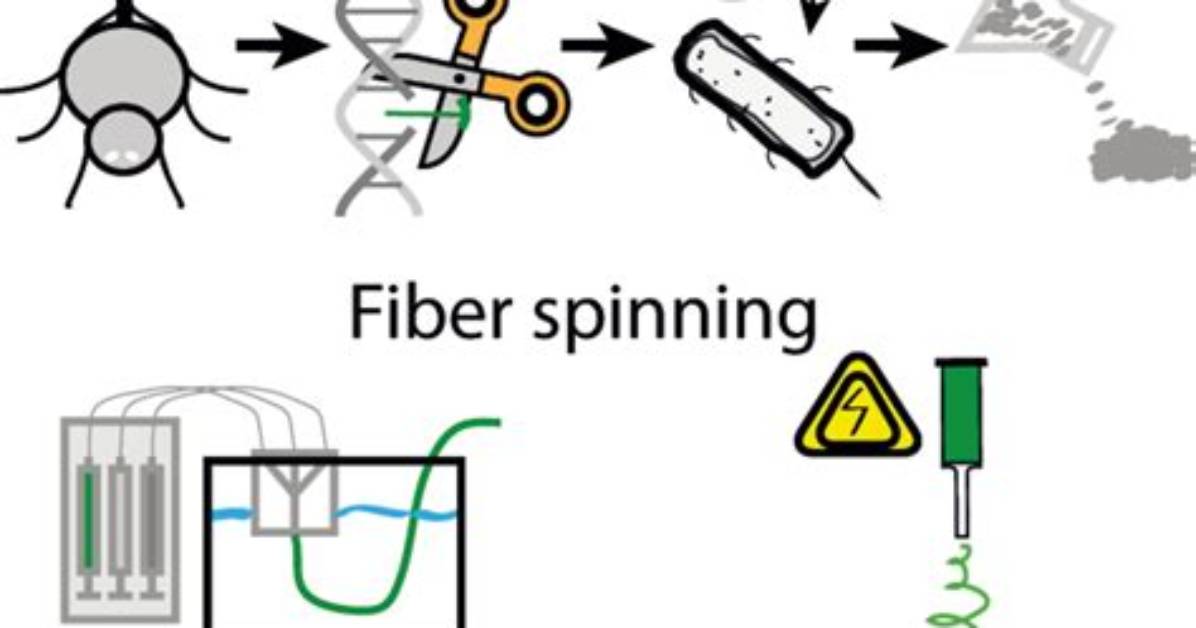
The true clinical value of silk peptide threads lies in what happens as they break down. Synthetic polymers like polylactic acid degrade via hydrolysis into lactic acid monomers. While this process prompts collagen formation, it does so by inducing low-grade localized acidosis, which can cause micro-swelling and inflammation.
Fibroin peptides degrade through enzymatic cleavage driven by endogenous proteases, primarily matrix metalloproteinases (MMPs). As the thread degrades, it sheds low-molecular-weight amino acid chains directly into the interstitial fluid. Human dermal fibroblasts express surface integrin receptors that recognize these exact peptide motifs.
This binding triggers a documented signaling cascade:
- Fibroblasts migrate toward the peptide concentration gradient, anchoring themselves along the micro-spun thread structure.
- Intracellular pathways activate, upregulating gene expression for Type I and Type III collagen.
- Endothelial cells receive secondary paracrine signals, establishing micro-capillary networks that nourish newly synthesized extracellular matrix.
Rather than leaving behind scar-like cross-linked collagen bundles, silk degradation encourages an organized, flexible collagen matrix. This process restores structural elasticity to lax skin without stiffening the surrounding facial muscles.
Elena Rostova holds a Master's degree in Public Health Journalism. She covers groundbreaking medical research, holistic wellness trends, mental health awareness, and nutritional science.
