The 2026 Shift: How Nevada’s Major Cities Are Navigating Boom and Resilience
 By Sophia Al-Mansoor
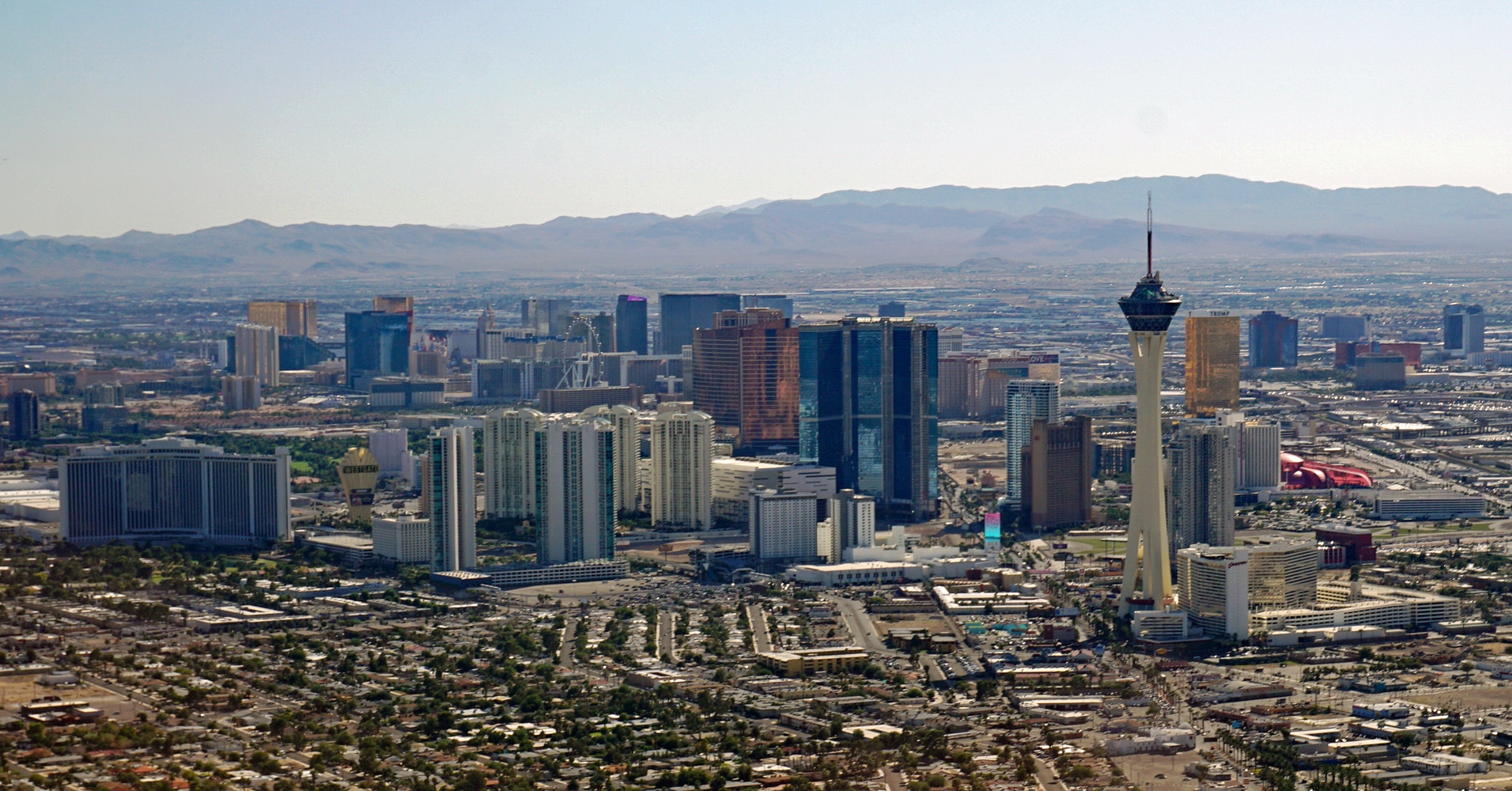
Clark County remains the engine of the Silver State population migration, yet the geographic reality of Southern Nevada is bumping against strict natural and federal boundaries. Hemmed in by Bureau of Land Management parcels and rugged mountain topography, the Las Vegas metro population, surpassing 2.35 million residents, is redesigning how land is developed. The core city of Las Vegas has experienced rapid commercial densification along its primary transit arteries, while neighboring municipalities absorb the brunt of residential sprawl.
Henderson master-planned communities like Inspirada, Cadence, and Lake Las Vegas have become primary destinations for out-of-state relocations, especially families and remote professionals departing coastal California. These neighborhoods are engineered around self-contained amenities, integrated water recycling systems, and strict homeowner guidelines. The trade-off is clear: entry costs have surged. Real estate analysis from Stacker highlights that suburban Southern Nevada properties now command premium valuations, pushing entry-level buyers toward more distant desert perimeters.
Meanwhile, North Las Vegas industrial growth has completely overhauled the city’s municipal balance sheet. Once burdened by budget shortfalls following the 2008 recession, North Las Vegas pivoted toward advanced manufacturing, e-commerce fulfillment centers, and distribution networks along the Interstate 15 corridor and the Apex Industrial Park. The shift created thousands of blue-collar logistics jobs. Yet it also generated acute traffic bottlenecks and intense competition for flat, buildable ground. Municipal planners must now balance the high municipal tax yields of multi-million-square-foot fulfillment hubs against the urgent need for entry-level single-family housing.
Sophia analyzes international trade, startup ecosystems, retail transformation, and supply chain logistics for modern digital publications.
