Soda Water and Your Health: Complete Guide to Mixers, Weight Loss, and Wellness Myths
 By Elena Rostova
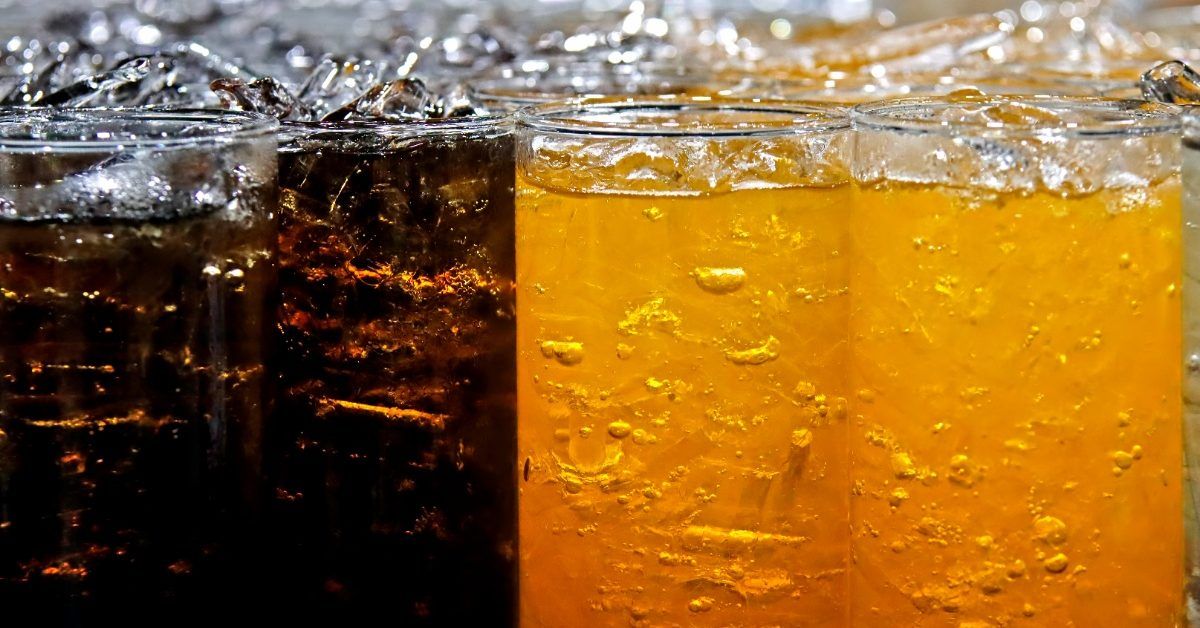
The mechanical action of carbonation inside the human gastrointestinal tract produces two opposing outcomes depending on personal digestive health. When carbon dioxide enters the warm environment of the human stomach, it rapidly expands out of solution. For healthy individuals, this volume triggers gastric mechanoreceptors, inducing gentle early fullness and facilitating a clean post-meal belch that relieves upper abdominal tension.
For individuals with gastroesophageal reflux disease (GERD) or hiatal hernias, this expansion creates problems. The rising gas exerts mechanical pressure on the lower esophageal sphincter (LES), the muscular valve separating the stomach from the esophagus. If the LES is already lax, the gas forces gastric acid upward, causing painful heartburn and laryngeal irritation.
This dynamic leads many back to an ancient household staple: mixing half a teaspoon of household baking soda (sodium bicarbonate) into a glass of plain tap or soda water. The chemical reaction in the stomach is immediate.
The alkaline bicarbonate ions combine with hydrochloric acid to form sodium chloride, water, and carbon dioxide gas. Symptomatic heartburn relief occurs within ninety seconds. However, turning baking soda mixtures into a daily wellness habit poses significant risks. Half a teaspoon contains more than 600 milligrams of elemental sodium, more than a quarter of the daily limit recommended by cardiovascular guidelines. Furthermore, consistently neutralizing stomach acid impairs pepsin activation, reducing your ability to break down proteins and absorb vital micronutrients like vitamin B12, iron, and magnesium.
Elena Rostova holds a Master's degree in Public Health Journalism. She covers groundbreaking medical research, holistic wellness trends, mental health awareness, and nutritional science.
