Sneaker Reseller or Local Cafe? Untangling the Confusion over Deadstock Stores
 By Maya Lin-Takahashi
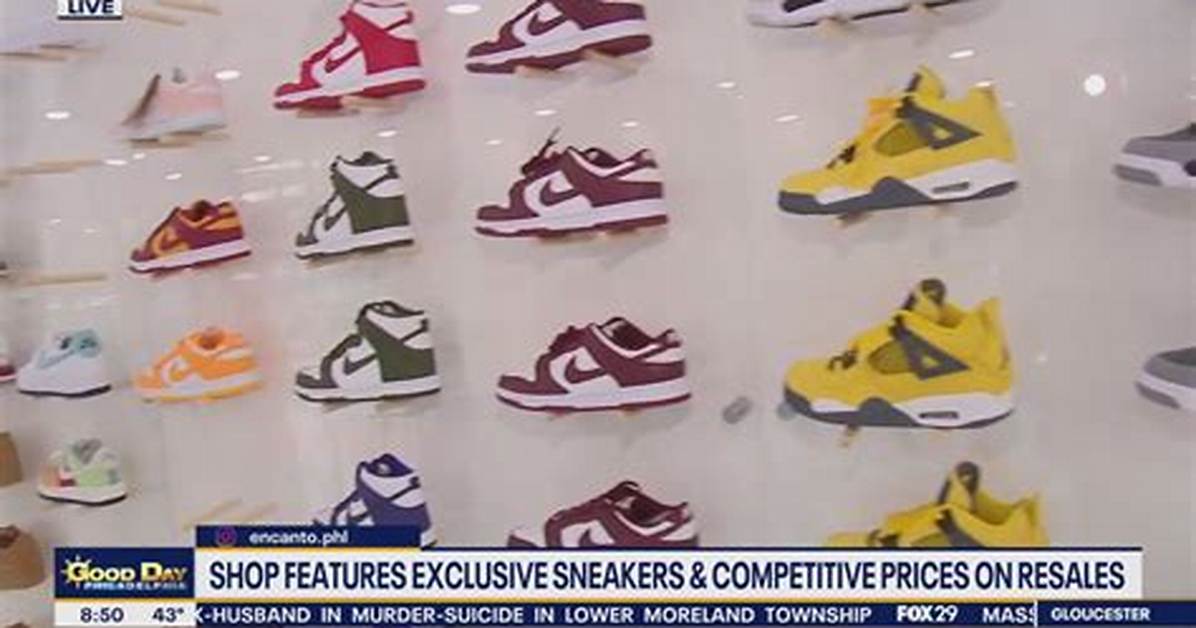
The line between lifestyle branding and sneaker retail blurred permanently in 2016. Ian Williams, a former janitor turned footwear developer at Nike's Beaverton campus, set out to create a third-wave coffee destination centered entirely around sneakerhead sensibilities. He launched Deadstock Coffee in Portland's historic Old Town Chinatown district. It was not a sneaker consignment shop, nor did it carry retail shoe allocations. Yet Williams adorned the space with rare sneaker art, hosted community sneaker cleaning clinics, and poured latte art with custom stencils shaped like the Air Jordan 1 silhouette.
The shop quickly evolved into a clubhouse for footwear designers, collectors, and streetwear fans visiting the Pacific Northwest. Williams built an authentic bridge between morning coffee rituals and sneaker obsession. But algorithmic search directories struggled to parse the concept. For nearly a decade, geolocation engines indexed Deadstock Coffee under footwear retail tags, sending tourists looking to purchase physical sneakers straight to an espresso bar counter.
That chapter closed at the end of 2025. Facing shifting commercial foot traffic and neighborhood economic changes, Deadstock Coffee shuttered its flagship NW Couch Street location, refocusing its operations on roasting, events, and apparel drops. The closure dismantled an anchor institution, yet the legacy of the Old Town shop remains an instructive lesson in how cultural curation can unintentionally rewire digital search intent.
Maya is a hardware enthusiast who tests and reviews smart home devices, smartphones, wearables, and audio gear. She focuses on practical consumer value and build quality.
