Redness Vs. Induration: the Critical Tb Skin Test Mistake Most People Make
 By Sarah Jenkins
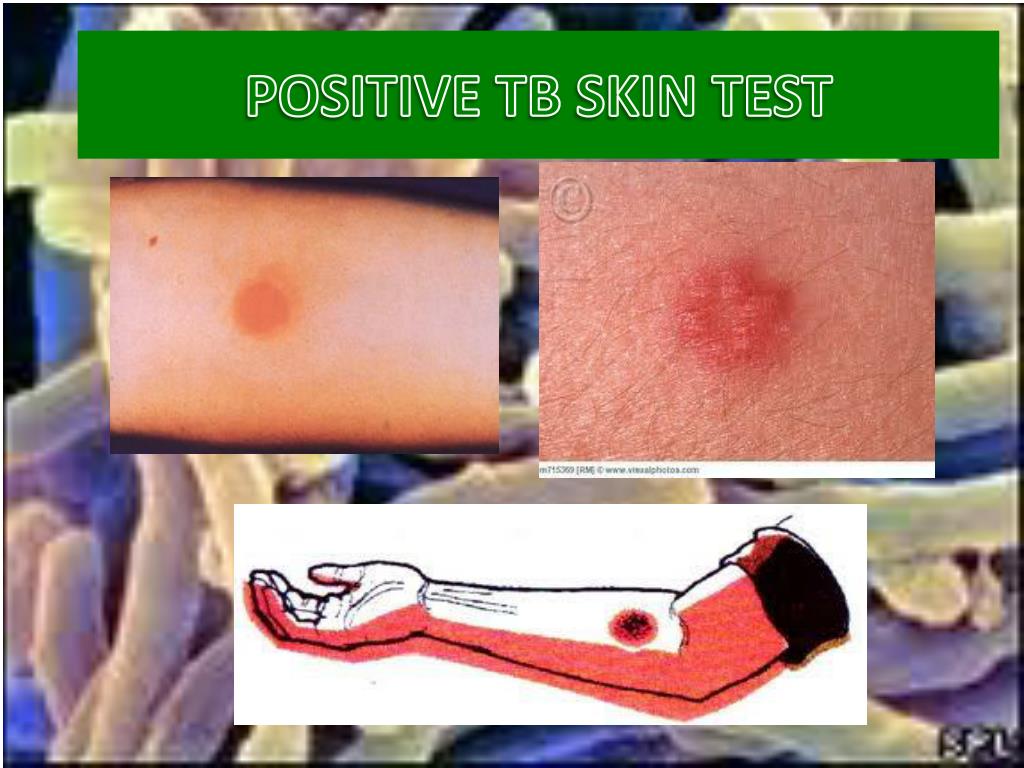
There is no universal size cutoff for a positive reaction. Instead, CDC interpretation guidelines divide patients into three risk tiers based on immune competence and probability of exposure. A 6-millimeter reaction might be definitively positive for an immunocompromised patient, yet completely negative for a healthy schoolteacher with no travel history.
| Induration Cutoff | Patient Risk Category | Clinical Context |
|---|---|---|
| 5 mm or greater | High Risk / Severely Immunosuppressed | People living with HIV, recent close contacts of active TB cases, organ transplant recipients, and individuals on long-term immunosuppressants (such as 15 mg/day of prednisone for a month). |
| 10 mm or greater | Moderate Risk / Increased Exposure Probability | Recent immigrants (within 5 years) from high-prevalence countries, healthcare facility workers, residents/employees of correctional facilities or homeless shelters, injection drug users, and children under four. |
| 15 mm or greater | Low Risk / Baseline Population | Persons with no known risk factors for tuberculosis. Testing this demographic is rare and typically restricted to baseline employment checks. |
For individuals in high-risk categories, the body's immune system cannot mount an aggressive swelling even when bacteria are present. That is why public health guidelines lower the millimeter threshold to catch infections that would otherwise slip through unnoticed.
Sarah Jenkins is a veteran tech journalist with over 12 years of experience covering artificial intelligence, mobile innovations, and digital ethics. Her insights have appeared in leading technology publications worldwide.
