Periodic Table Layout Decoded: Visual Proof of How Groups and Periods Work
 By Elena Rostova
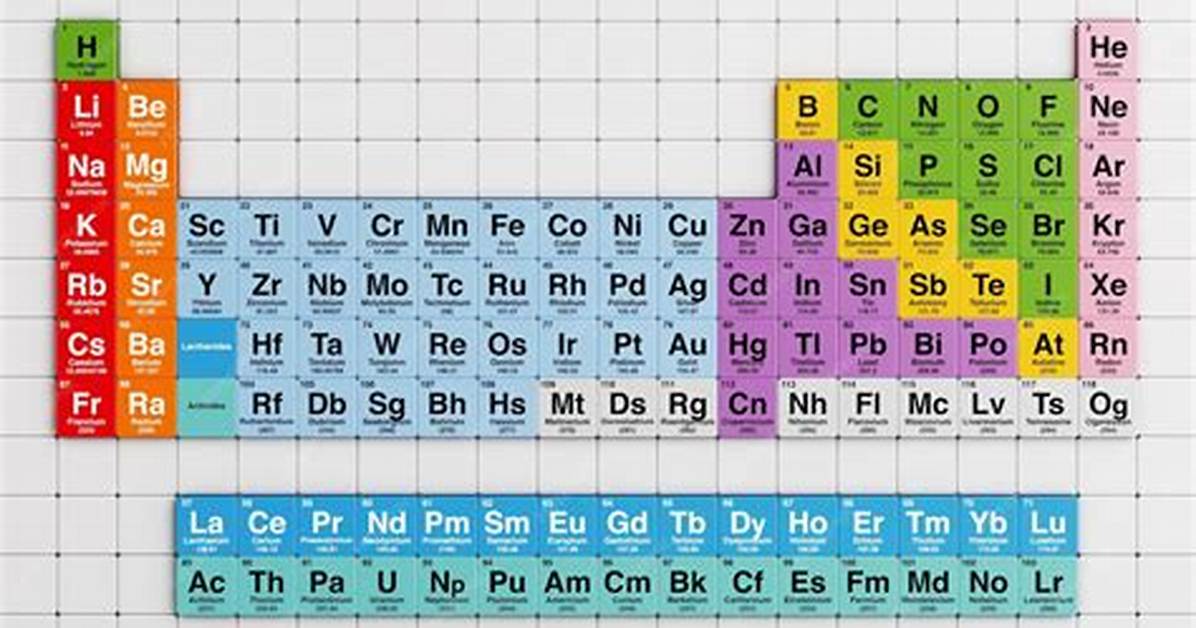
The clean predictability of valence counts hits a structural detour in the middle of the table. Between Groups 3 and 12 sits a broad expanse of elements known as the transition metals. This block includes everyday industrial staples like iron, copper, nickel, titanium, and gold.
In standard main-group elements (Groups 1, 2 and 13, 18), electrons systematically populate the outermost $s$ and $p$ orbitals. With transition metals, incoming electrons descend into an inner $d$ orbital shell that was bypassed earlier due to subtle quantum energy overlaps. Because their outermost $s$ electrons remain relatively isolated while inner $d$ subshells undergo sequential filling, transition metals do not exhibit the drastic group-to-group behavioral shifts found elsewhere on the table.
This internal electron buffering allows transition metals to form multiple stable oxidation states. Manganese, for instance, can comfortably adopt oxidation states ranging from +2 up to +7 depending on the compound it joins. These elements also feature loosely held, delocalized electrons that move fluidly between atoms. That unique sea of mobile electrons is what provides transition metals with their signature mechanical malleability, ductile strength, and high electrical conductivity.
Elena Rostova holds a Master's degree in Public Health Journalism. She covers groundbreaking medical research, holistic wellness trends, mental health awareness, and nutritional science.
