New Biomechanics Studies Reveal How Mantis and Pistol Shrimp Weapons Evolved
 By Sarah Jenkins
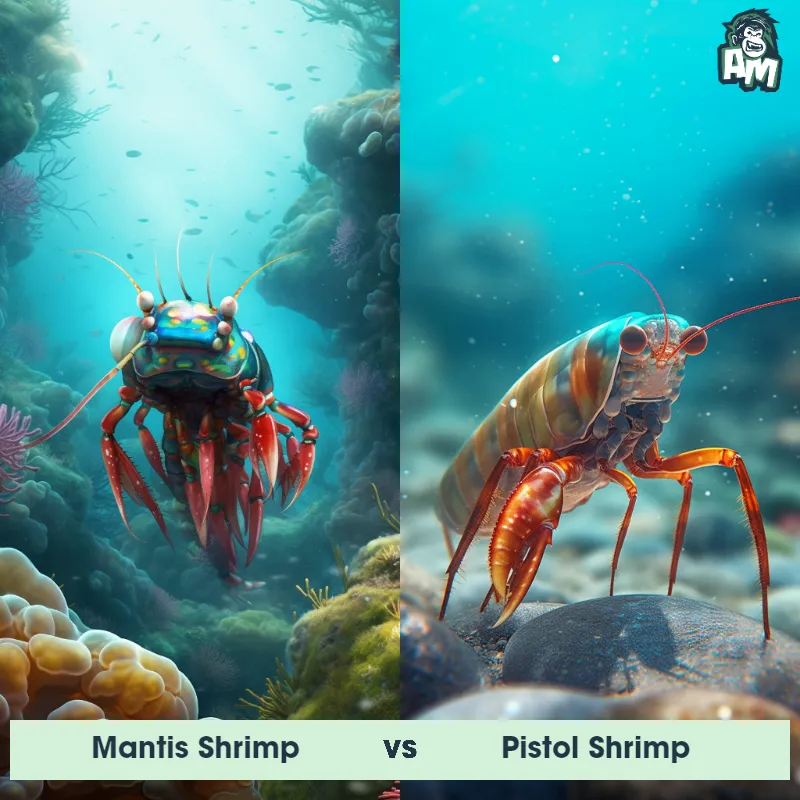
The unique mechanical balance of crustacean weaponry offers valuable lessons for modern materials design. The aerospace, defense, and composite-manufacturing sectors face persistent challenges when trying to develop lightweight materials that absorb high-velocity impacts without cracking. Synthetic carbon fiber laminates remain vulnerable to interlaminar delamination, a failure where glued material layers shear apart after sudden stress.
By copying the helical Bouligand architectures found within the mantis shrimp's dactyl club, structural engineers are fabricating impact-resistant battery casings, modular armor plating, and durable aircraft components. Similarly, the pistol shrimp’s plunger-and-socket geometry is inspiring new microfluidic fuel-injection pumps that harness cavitation rather than suffering wear from it.
The evolutionary contest between these two species proves that raw muscular strength is not the only path to extreme force. By turning ocean water into a functional weapon and engineering shells that absorb massive shockwaves, mantis and pistol shrimps built high-velocity mechanical systems that human engineering is only beginning to match.
Sarah Jenkins is a veteran tech journalist with over 12 years of experience covering artificial intelligence, mobile innovations, and digital ethics. Her insights have appeared in leading technology publications worldwide.
