'Mysterious Skin' Explained: Themes, Plot Breakdown, and Streaming Availability Guide
 By Chloe Bennett
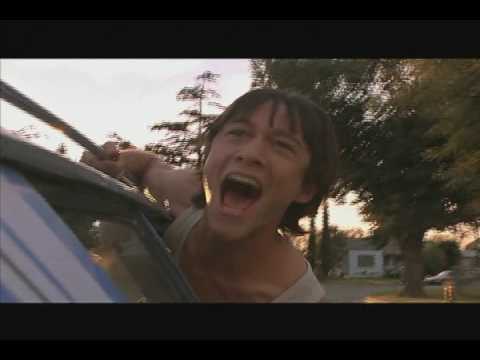
Before adapting the material in 2004, director Gregg Araki built his reputation on the anarchic, hyper-saturated energy of his "Teenage Apocalypse Trilogy" (Totally F***ed Up, The Doom Generation, and Nowhere). Those earlier features embraced camp surrealism, nihilistic humor, and punk confrontation. When Araki acquired the rights to Scott Heim's 1995 debut novel, industry observers expected another blast of acid-hued satire. Instead, the director produced his most patient, disciplined, and emotionally devastating screen adaptation.
Heim wrote the novel drawing partly on his own upbringing in rural Kansas, anchoring the story in vast plains, suffocating small-town closets, and baseball dugouts. Araki preserved the book's dual-narrative architecture almost entirely. The screen translation retains the distinct voices of its two protagonists, letting their lives run parallel until their inevitable collision in the final act. Rather than leaning on cinematic shock tactics, Araki approached the material with profound empathy for young survivors, stripping away sensationalism in favor of stark human behavior.
Chloe Bennett explores the intersection of pop culture, streaming entertainment, digital trends, and contemporary lifestyle. Her weekly commentary reaches thousands of culture enthusiasts.
