Is the Viral Octopus Useless Box Real? the Surprising Tech Behind the Animatronic Craze
 By Robert Thorne
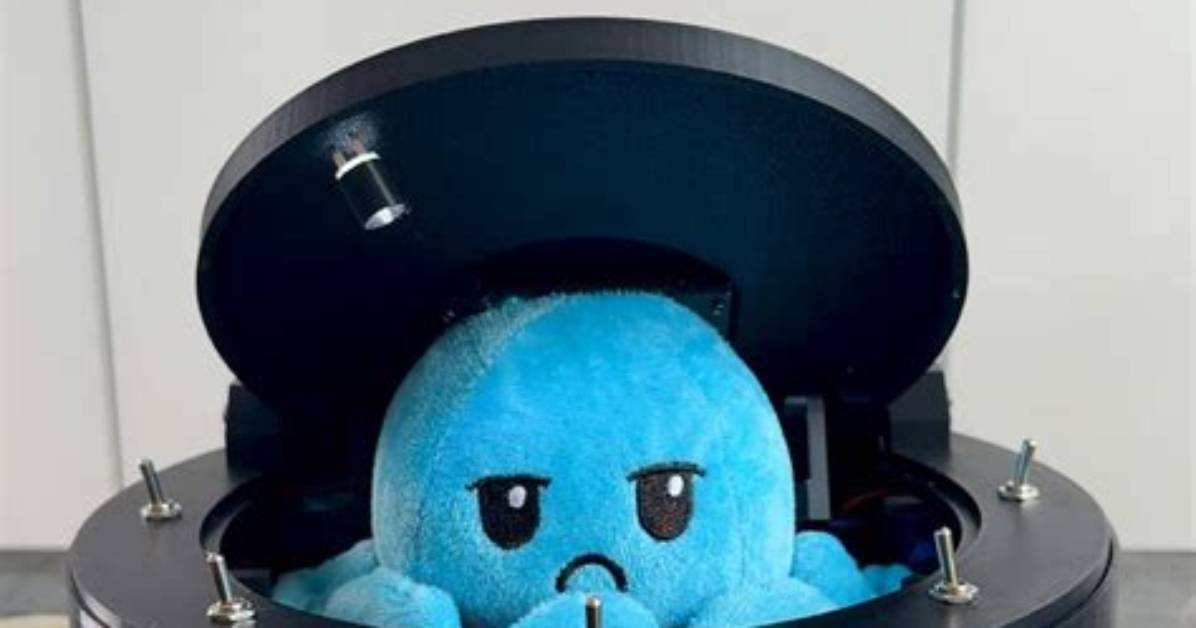
Recreating the motion of an octopus arm requires solving a fundamental mechanical problem: octopuses are muscular hydrostats. They have no skeletal joints. Stiff servo horns and pivoting plastic hinges look fake instantly because biological tentacles bend continuously along their entire length.
The builder bypassed rigid links by constructing an internal vertebra spine out of segmented, flexible nylon rings, printed on a standard desktop resin or FDM machine. Running through these vertebrae are high-tensile braided fishing lines or Bowden cables anchored at the tip of the limb. When an internal servo pulls a specific line, the entire assembly curls toward that tension point.
The outer sleeve consists of platinum-cure silicone poured into multi-part molds. Platinum silicone retains exceptional tear strength and mimics soft flesh elasticity. Pigmenting the silicone requires layered painting techniques: base coats of translucent silicone infused with flesh tones, followed by hand-stippled suction cups, and a high-gloss finish coat to simulate constant wetness.
Underneath the false floor of the box, three to four high-torque coreless metal servos pull the cables. An Arduino or ESP32 microcontroller orchestrates the performance. The sequence runs as follows:
- The human flips the toggle switch, closing an electrical circuit connected to an input pin on the microcontroller.
- The microcontroller wakes from sleep mode and activates a micro-servo that unlatches or cracks open the box lid.
- A programmed routine pulls the main curling cable while subtly tensioning lateral cables to create a serpentine, hunting sway.
- A sensor or hardcoded timing index brings the tentacle tip into physical contact with the toggle switch, pushing it back.
- The servo banks release tension simultaneously, allowing the natural elasticity of the silicone skin to snap the limb back into resting posture inside the box.
Robert Thorne covers electric vehicle innovations, autonomous driving systems, global mobility trends, and automotive engineering developments.
