Is Butter Made from Air and Carbon? Inside the Food Tech Upending Dairy Aisles
 By Marcus Vance
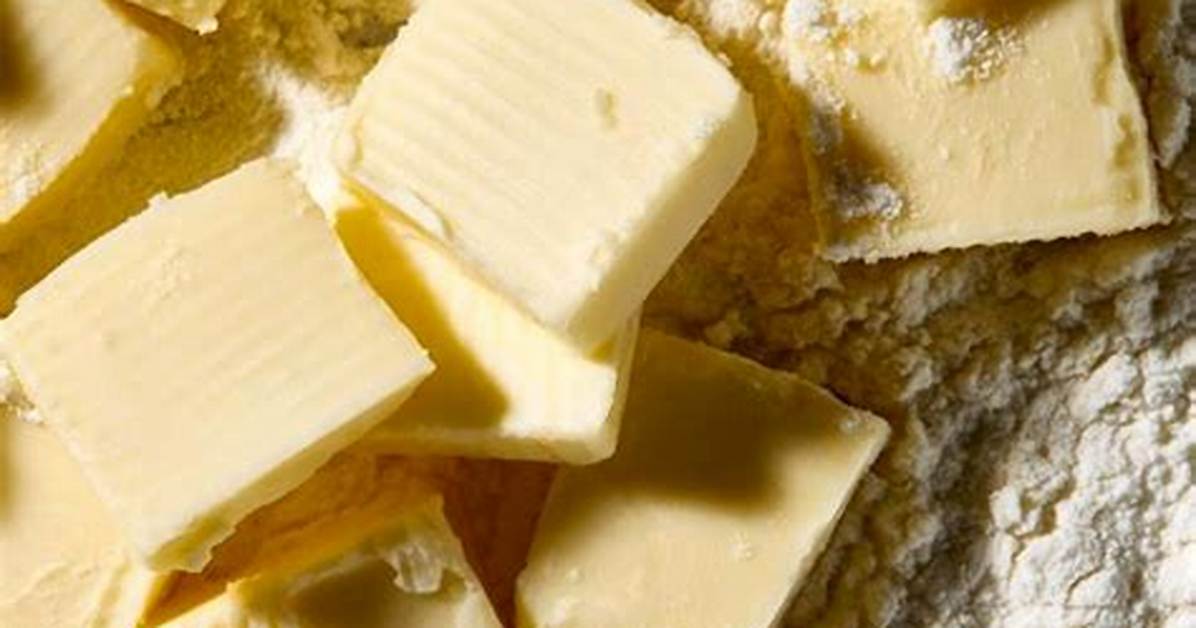
Traditional butter relies on mechanical physics rather than complex chemistry. Dairy processors begin with raw milk, centrifuge it to separate the lower-density lipids, and yield pasteurized sweet cream containing roughly 36% to 40% butterfat. At this preliminary stage, the liquid exists as an oil-in-water emulsion. Microscopic fat globules float suspended in a watery matrix, each shielded by a delicate phospholipid protein membrane that prevents the fats from pooling together.
Churning applies mechanical shear force. The agitation ruptures those fragile phospholipid membranes. Hydrophobic triacylglycerols spill out and collide, clustering into solid grains of butterfat while expelling liquid buttermilk. When wash water is introduced and the remaining mass is kneaded, the mixture undergoes phase inversion: it shifts into a dense water-in-oil emulsion, where microscopic water droplets remain trapped inside a continuous network of crystallized fat.
Under United States federal law established in 1923, any commercial product labeled simply as "butter" must maintain a minimum milk fat percentage of 80%. European butter mandates a minimum of 82%, leaving roughly 16% to 18% water and 1% to 2% milk solids (casein and lactose). That structural geometry determines how butter behaves in an enamel pan: the solids brown into nutty fragments, water cooks off into steam, and the fat remains silky.
Marcus Vance is a cybersecurity auditor and technology writer dedicated to educating the public about online safety, data privacy regulations, enterprise security, and emerging cyber threats.
