Is Butter Made from Air and Carbon? Inside the Food Tech Upending Dairy Aisles
 By Marcus Vance
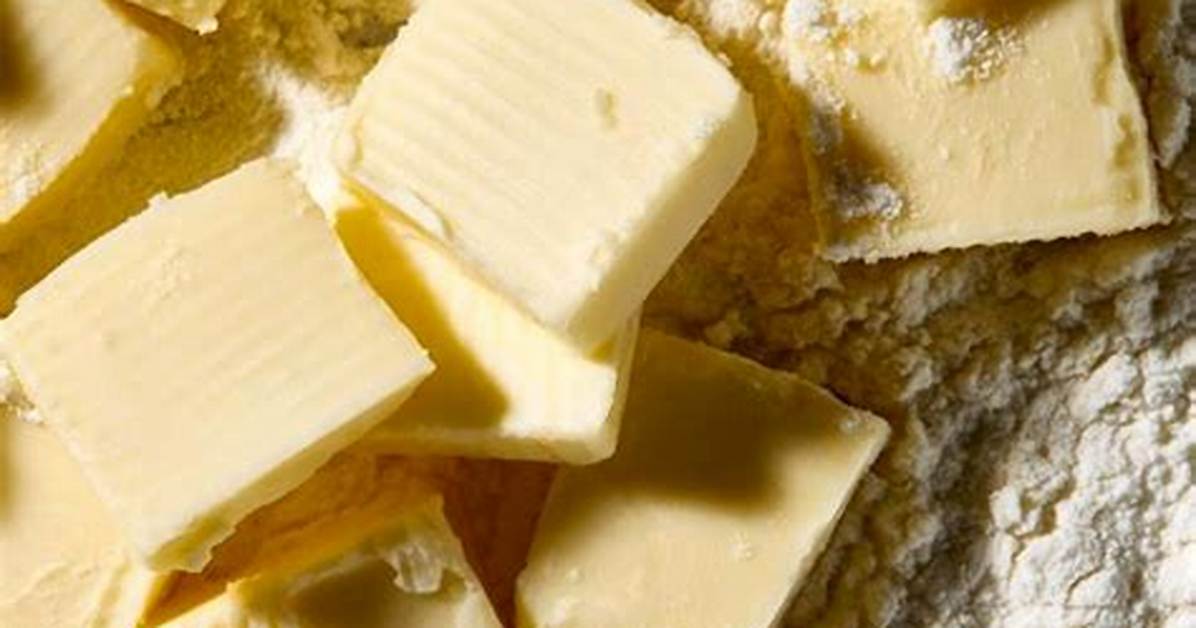
The emerging category of carbon-based butter does not use dairy cattle, nor does it press seeds from soy, palm, or canola fields. Bay Area food tech outfit Savor Foods, alongside European researchers exploring fossil-free fats, has developed an end-to-end thermochemical process. Rather than relying on photosynthesis or animal digestion to assemble hydrocarbons, their reactors utilize basic elemental feedstocks.
The process starts by capturing carbon dioxide from industrial exhaust streams or ambient air. Technicians isolate hydrogen from water using renewable electrolysis. Through a specialized thermochemical catalytic reaction, echoing the classic Fischer-Tropsch mechanism refined in twentieth-century chemical engineering, the gases react under heat and pressure to yield synthetic paraffin or long-chain hydrocarbons. Subsequent oxidation converts these chains into fatty acids.
From there, chemists introduce glycerol to bind three fatty acid chains into a triglyceride molecule. The result is pure fat built atom by atom without agricultural land or biological metabolism. Savor then blends these custom triglycerides with water, trace emulsifiers, and natural aromatics to form an exact physical analogue to churned heavy cream, matching the melting curve of conventional dairy.
Marcus Vance is a cybersecurity auditor and technology writer dedicated to educating the public about online safety, data privacy regulations, enterprise security, and emerging cyber threats.
