Is a Dime Exactly 0.705 Inches? Fact-Checking Coin Sizes and Weather Scale Discrepancies
 By David Miller
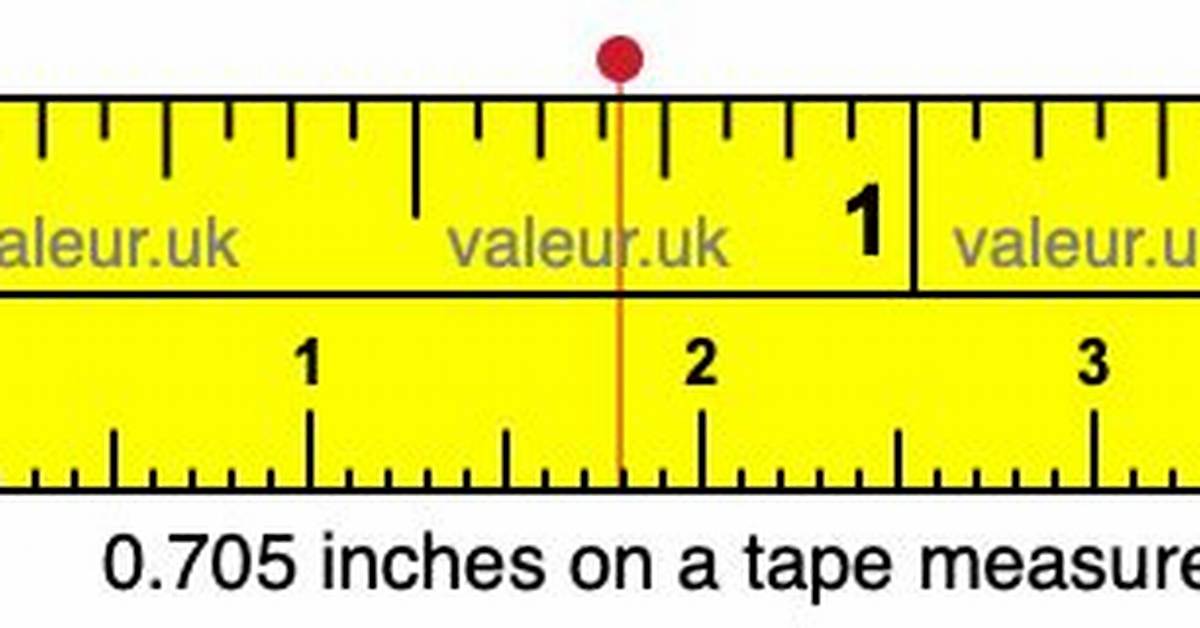
Casual observers often assume monetary value scales with physical volume. Under this logic, a 10-cent coin should measure larger than a 1-cent coin. Instead, the penny vs dime size comparison reveals a striking inversion: the one-cent piece boasts a diameter of 0.750 inches (19.05 mm), making it 0.045 inches wider and substantially thicker than the dime.
This layout dates back to the Coinage Act of 1792. Early American currency operated under an intrinsic-value system where a coin's purchasing power directly reflected the market value of its metal. The original Draped Bust and Seated Liberty dimes contained 89.24 percent (later 90 percent) fine silver. A ten-cent silver piece required very little mass to equal its face value. By contrast, early cents were struck from pure copper, a base metal worth far less per ounce.
To give a 1793 large cent one cent worth of copper, the Mint manufactured a coin broader than a modern half dollar. Even after the Mint downsized the penny in 1857 to its current 19.05 mm diameter, the dime retained its compact footprint. When the Coinage Act of 1965 stripped silver out of circulating dimes and quarters, the government deliberately preserved their exact pre-1965 dimensions so existing coin-operated machinery would not require billions of dollars in mechanical overhauls.
David Miller brings 15 years of experience in global economics, personal finance strategy, and market dynamics. He specializes in turning complex economic trends into actionable insights for everyday readers.
