Inside Pelvic Anatomy: How Air Enters the Body and Why Queefing Is Harmless
 By Elena Rostova
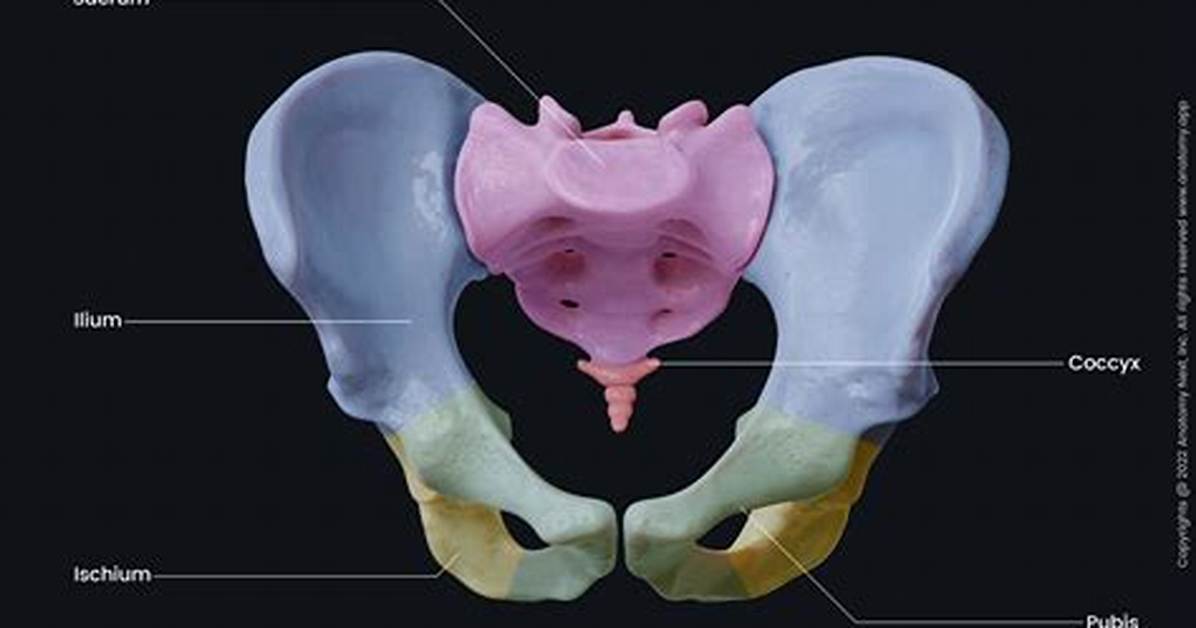
Childbirth fundamentally alters the mechanical behavior of the pelvic basket. During vaginal delivery, the levator ani muscle complex, endopelvic fascia, and perineal body endure significant stretching and microtrauma. Postpartum pelvic health often features a temporary reduction in resting muscle tone, making it easier for atmospheric air to slip past a less pressurized introitus.
Pelvic floor muscles act as a muscular hammock supporting the bladder, uterus, and bowel. When these tissues become hypotonic or weakened, the vaginal opening may rest slightly wider than it did pre-pregnancy, increasing the frequency of air entrapment during daily activities. Conversely, hypertonic pelvic floor dysfunction, where muscles remain chronically tight, spasmed, and incapable of relaxing properly, can create uneven air pockets that seal air in until sudden movement dislodges it.
In some cases, frequent unprovoked air release points toward pelvic organ prolapse. When the bladder (cystocele), rectum (rectocele), or uterus descends into the vaginal vault, the regular contour of the canal alters. These anatomical changes create structural recesses that trap air far more easily during routine ambulation. Targeted pelvic floor physical therapy, rather than unguided exercise, remains the primary intervention for restoring coordinated muscle function.
Elena Rostova holds a Master's degree in Public Health Journalism. She covers groundbreaking medical research, holistic wellness trends, mental health awareness, and nutritional science.
