'If Not Friend, Why Friend Shaped?' the Science Behind Cute Meme Formats
 By Robert Thorne
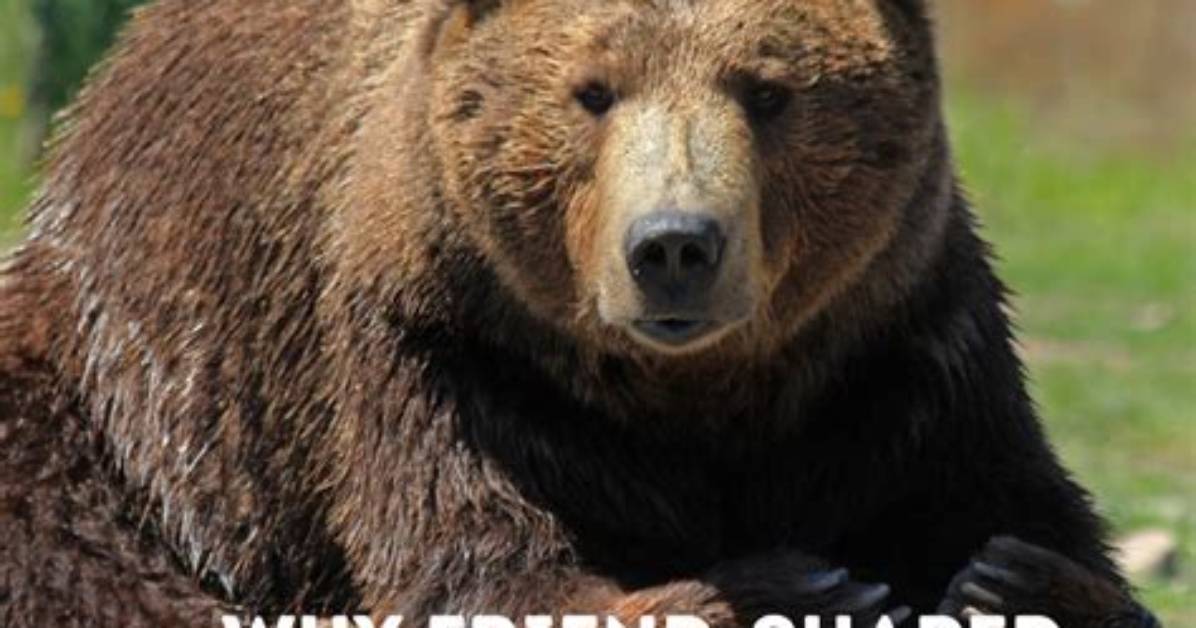
The biological machinery driving every viral cute animal image was mapped almost a century ago. In 1943, Austrian ethologist Konrad Lorenz coined the term Kindchenschema (baby schema) to describe the set of physical characteristics that prompt adults to care for infants. The traits are consistent: a disproportionately large head, high forehead, massive low-lying eyes, chubby cheeks, and a soft, spherical body.
When humans see these proportions, the brain reacts instantly. Functional neuroimaging studies confirm that viewing Kindchenschema triggers the nucleus accumbens, the pleasure center of the human brain, within 140 milliseconds. Dopamine floods the prefrontal cortex before analytical reasoning can assess context.
Digital culture strips these physical cues of their original biological utility and superimposes them onto wild fauna. A pufferfish inflated into a tight sphere, an Australian wombat waddling through underbrush, or an adolescent harp seal lounging on an ice floe all activate the identical neural pathway. The caption "friend shaped" is the internet's colloquial translation of Lorenz's ethological blueprint. Our pattern recognition system scans a lethal carnivore, notes the rounded silhouettes and forward-facing eyes, and files the animal under "infant" rather than "threat."
Robert Thorne covers electric vehicle innovations, autonomous driving systems, global mobility trends, and automotive engineering developments.
