How to Use a Bidet for Beginners: the Complete Step-by-Step Operator's Manual
 By Maya Lin-Takahashi
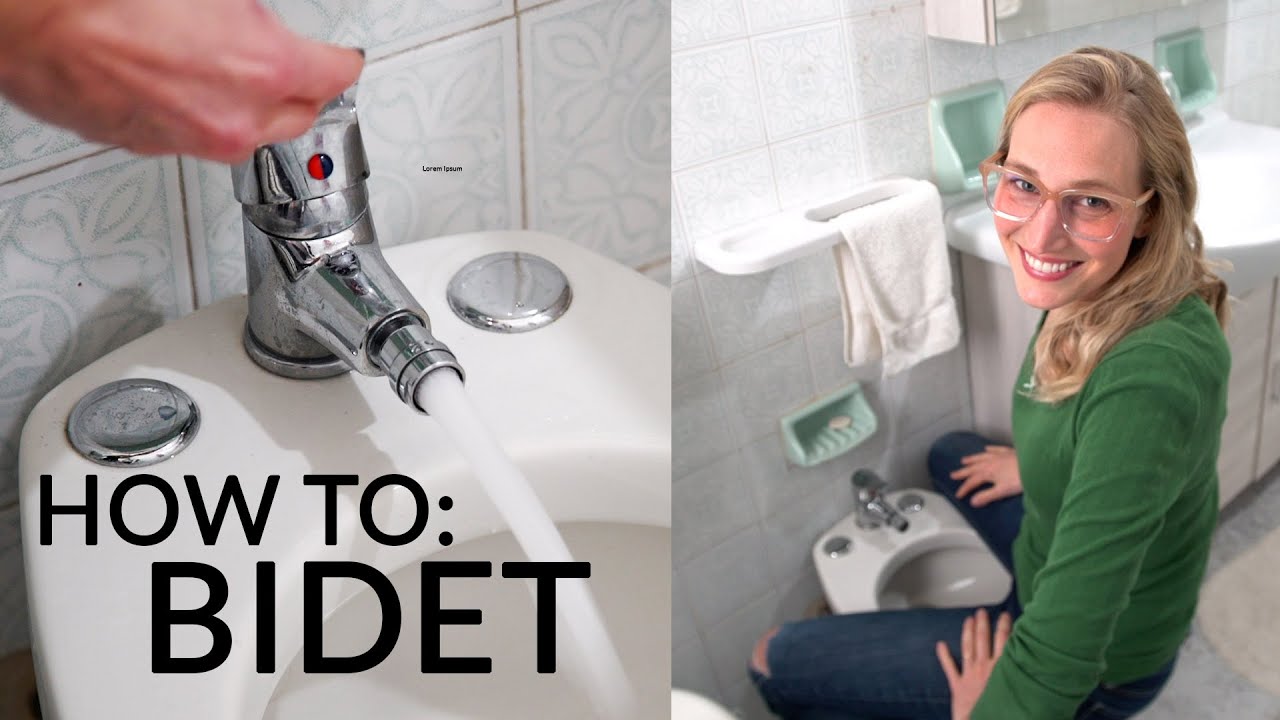
Before touching a switch, identify which category of bidet you are dealing with. The modern residential market splits cleanly between two engineering approaches, and confusing their operational quirks is the primary reason beginners end up with wet floors or startled reactions.
The most common entry-level device is the non-electric mechanical bidet, usually installed beneath an existing toilet seat. These devices draw water straight from your bathroom's pressurized freshwater supply line without plugging into a wall. They rely on an internal piston or a heavy-duty mechanical dial. Turn the dial, and water flows; turn it further, and the water pressure surges aggressively. Because these units lack heating circuits, the stream temperature matches your domestic plumbing line, crisp in summer, ice-cold in winter. These models require a light touch.
Electric smart bidet controls, popular on high-end washlets manufactured by Toto, Brondell, and Kohler, provide a noticeably gentler, customizable experience. These seats connect to a dedicated GFCI outlet to run an internal miniature pump, an instantaneous ceramic water heater, heated seat elements, and an air blower. Instead of relying on raw tap line pressure, they regulate water flow electronically. You will manage them using either a side-arm panel or a wall-mounted wireless remote control, offering granular adjustments for wand positioning, stream oscillation, and water temperature adjustment.
| Hardware Feature | Non-Electric Mechanical Bidet | Electric Smart Washlet |
|---|---|---|
| Power Source | Pure water line pressure (0 Watts) | 120V GFCI electrical outlet (200, 1400 Watts) |
| Pressure Control | Analog turn dial or tension lever | Microprocessor pump (3, 5 preset levels) |
| Temperature Management | Ambient cold tap (or dual-tap sink tie-in) | Active heated reservoir or tankless coil (90°F, 104°F) |
| Drying Mechanism | Manual paper pat-dry only | Integrated warm air dryer fan |
| Typical Hardware Cost | $25, $80 | $200, $1,200 |
Maya is a hardware enthusiast who tests and reviews smart home devices, smartphones, wearables, and audio gear. She focuses on practical consumer value and build quality.
