How to Identify the Gympie-Gympie Plant in the Wild Before It's Too Late
 By Elena Rostova
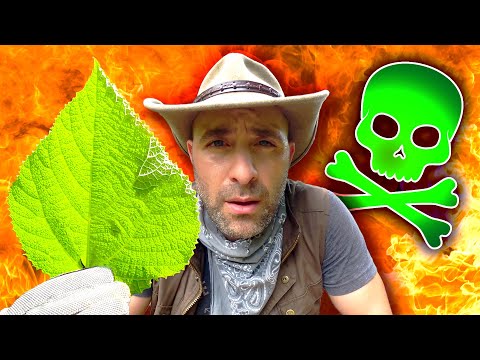
Most travelers bracing themselves for dangerous Australian wildlife anticipate venomous snakes, funnel-web spiders, or saltwater crocodiles. Very few expect a member of the nettle family, Urticaceae, to pose an equal or greater physiological threat. Dendrocnide moroides thrives across the wet tropics of northeastern Queensland, extending southward through coastal pockets into northern New South Wales. It does not hide in inaccessible, virgin wilderness. Instead, it flourishes as a pioneer species in disturbed soils: trail edges, road cuttings, logged clearings, and light-filled canopy gaps along popular national park tracks.
The plant typically grows as a sprawling shrub between 1 to 3 meters in height, though under unbroken sub-canopy sunlight it occasionally reaches small tree stature. Because its bright green foliage looks gentle, lush, and harmless, bushwalkers frequently brush past it without a second glance. The leaves are broad and heart-shaped, featuring distinct serrated margins and petiole stems attached firmly at the leaf indentation. Unlike common non-toxic nettles, every square millimeter of the Gympie-Gympie, including the stems, leaf veins, and even its purplish, mulberry-like aggregate fruits, is covered in a dense coat of hollow trichomes made of pure amorphous silica.
Elena Rostova holds a Master's degree in Public Health Journalism. She covers groundbreaking medical research, holistic wellness trends, mental health awareness, and nutritional science.
