Gustavo Cisneros Fact-Check: Separating Myth from Reality in His Business Empire
 By David Miller
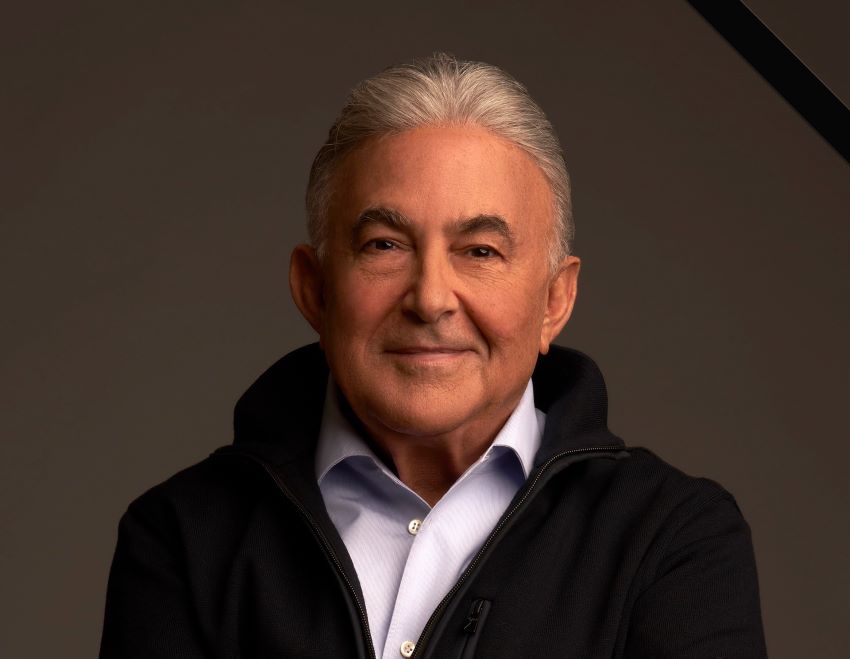
No chapter of Cisneros' life attracted more controversy than his role in Venezuelan politics during the presidency of Hugo Chávez. Cisneros maintained close friendships with center-left Democratic Action (AD) President Carlos Andrés Pérez and center-right Copei figures alike. When Chávez took office in 1999 promising a socialist overhaul, that institutional access vanished.
During the April 2002 military coup that temporarily removed Chávez from the Miraflores presidential palace, Venevisión and rival private networks RCTV, Televen, and Globovisión backed the opposition. Venezuelan government spokespeople alleged that Cisneros convened conspirators at Venevisión headquarters to handpick businessman Pedro Carmona as interim president. State documents and pro-Chávez documentaries branded Cisneros the ideological financier of the insurrection.
The documentary record tells a more complicated story. While Venevisión broadcast anti-Chávez propaganda, ran continuous opposition footage, and notably blacked out news of Chávez’s counter-mobilization, Cisneros always denied coordinating the military rebellion itself. Declassified U.S. State Department cables indicated that while Cisneros was sympathetic to Carmona's initial assumption of authority, he distanced himself once Carmona dissolved the National Assembly and shredded the constitution.
The turning point arrived in June 2004. Facing potential license revocation and corporate expropriation, Cisneros accepted a private meeting with Chávez brokered by former U.S. President Jimmy Carter. The pact reshaped Venezuelan media: Venevisión toned down its confrontational editorial stance, pulled opposition talk shows, and adopted a politically neutral posture focusing strictly on soap operas and variety programming. In exchange, Chávez allowed Venevisión to retain its broadcast license in 2007, the exact year the regime pulled the plug on Cisneros's bolder rival, RCTV. The decision prompted harsh criticism from opposition leaders, but it kept the Cisneros Group's domestic operational footprint intact.
David Miller brings 15 years of experience in global economics, personal finance strategy, and market dynamics. He specializes in turning complex economic trends into actionable insights for everyday readers.
