From Paris Talk Shows to Trade Talks: Why French Language Inquiries Are Surging
 By Sophia Al-Mansoor
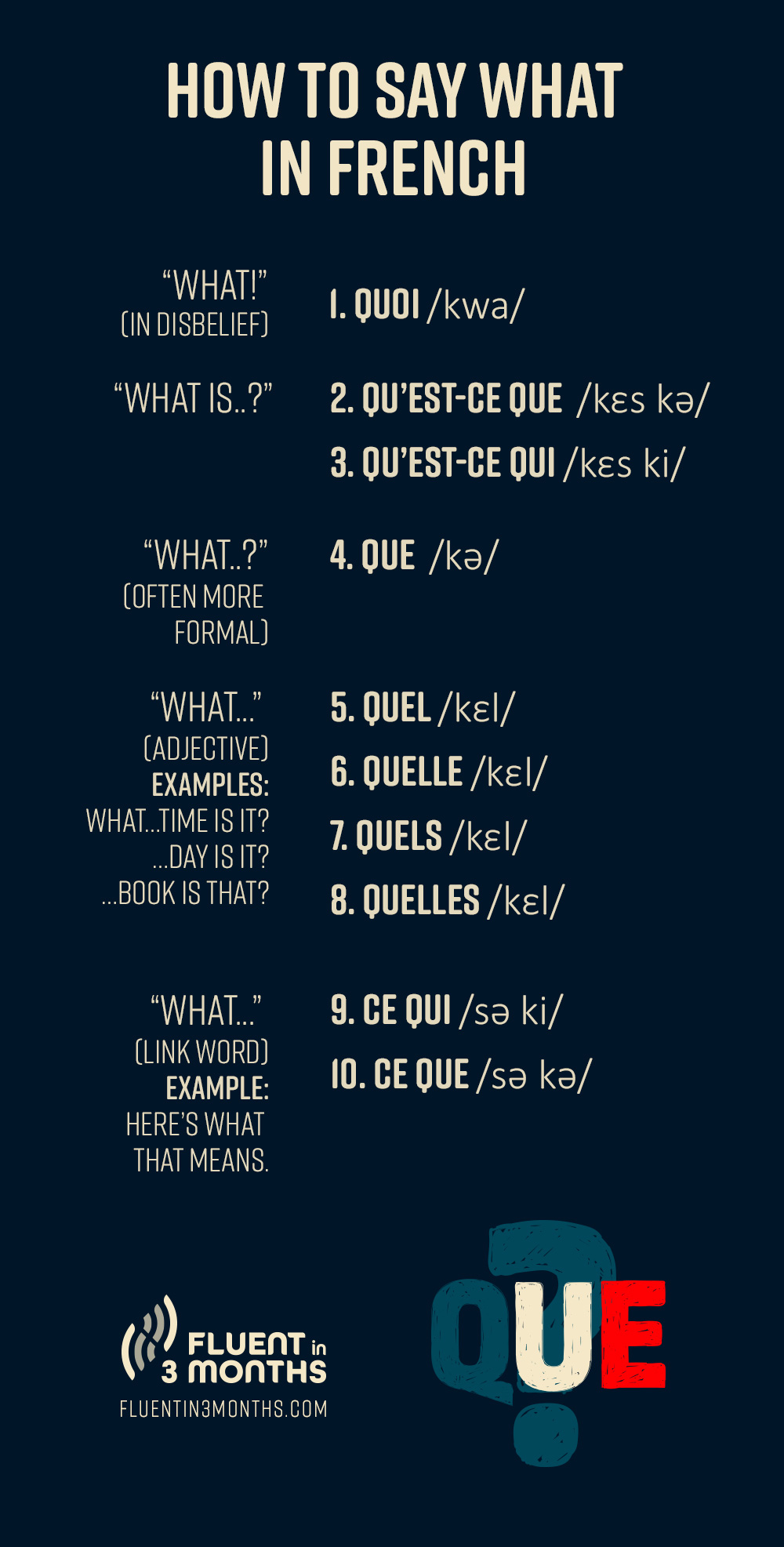
The viral exchange highlighted a perennial cultural faux pas: conflating francophone North American lineage with contemporary French nationality. Justin Bieber was born and raised in Stratford, Ontario, carrying distant French-Canadian paternal lineage. To a Parisian host, referring to an Ontario-born pop icon as "French" without qualifying his Canadian roots felt absurd.
The linguistic differences between mainland France and Quebec run deep. While both variants share standard grammatical structures, their accents, casual registers, and vocabularies parted ways centuries ago. A Parisian ordering breakfast asks for un petit-déjeuner, while a Québécois speaker sits down for le déjeuner. Where a Parisian complains about their voiture breaking down, a Montreal driver curses their char.
Phonetics add another layer of complexity. Canadian French retains historical vowel sounds and nasal distinctions that mainland French flattened over the 19th and 20th centuries. Anyone looking at a modern French pronunciation guide discovers that identical words often sound entirely different in a Saint-Germain café compared to a tavern in Saguenay. When international media treat the two cultures as interchangeable, native speakers on both sides of the Atlantic quickly step in to correct the record.
Sophia analyzes international trade, startup ecosystems, retail transformation, and supply chain logistics for modern digital publications.
