From Classroom Toy to Ai Powerhouse: What Happened to Google Music Lab?
 By Chloe Bennett
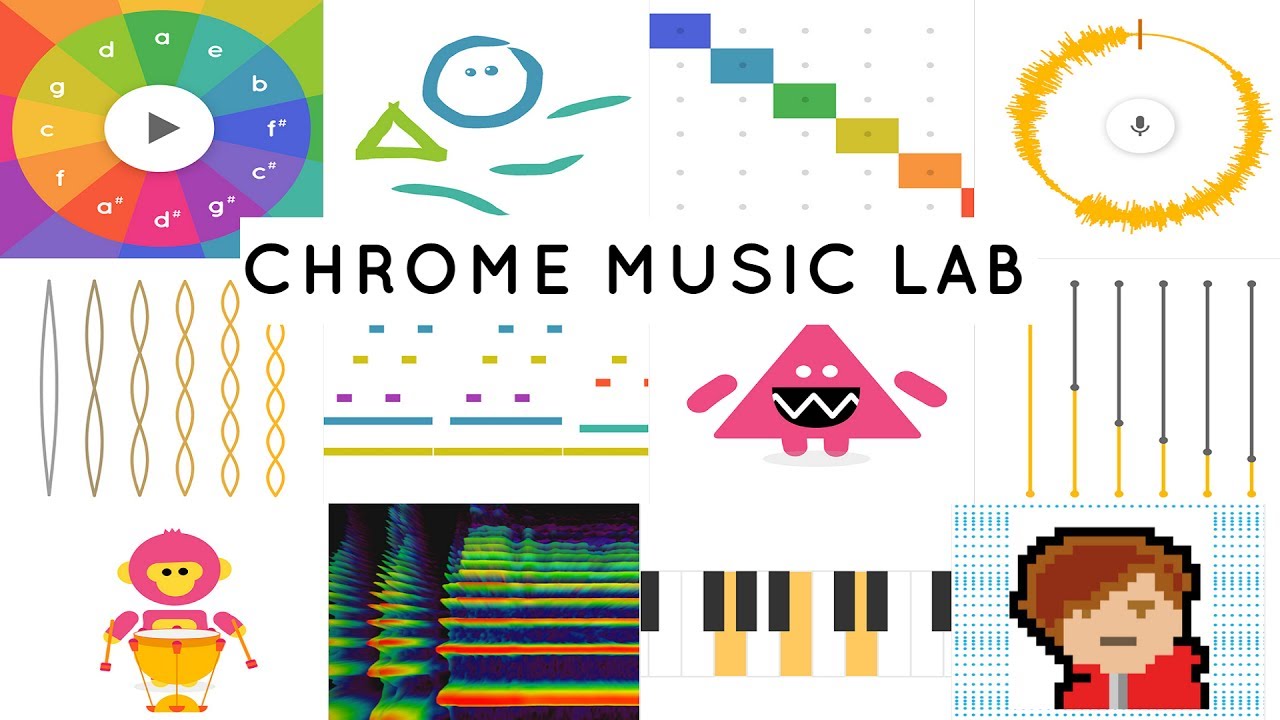
When Google launched Chrome Music Lab in 2016, its engineers had a straightforward objective: prove that modern web browsers could handle real-time sound synthesis without sluggish third-party plugins. Tools like Spectrogram, Chords, and the wildly popular Song Maker offered immediate, tactile feedback. Children could map pentatonic scales with finger taps on basic Chromebooks, demystifying pitch and rhythm without reading sheet music.
Public school districts rapidly made Song Maker a staple of elementary music curricula. Because it ran entirely client-side on open web standards, it demanded zero processing overhead from Google's servers. The interface made no pretense of generating original musical thought; it was a mirror reflecting human input through clean visual code. That tactile simplicity created an enormous user base that associated Google's musical experiments with accessibility and foundational music education technology.
Chloe Bennett explores the intersection of pop culture, streaming entertainment, digital trends, and contemporary lifestyle. Her weekly commentary reaches thousands of culture enthusiasts.
