Fact-Checking Nyquil as a Sleep Aid: Medical Truths, Risks, and Myths
 By Marcus Vance
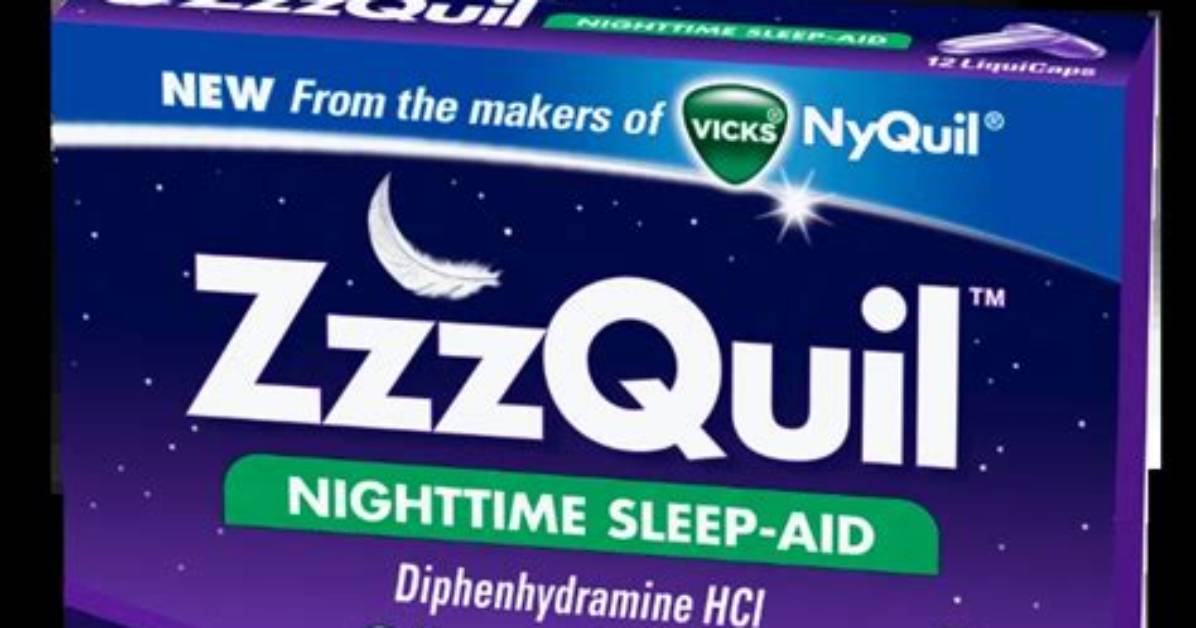
The primary medical objection to using NyQuil as a sleep aid is its cocktail formulation. When you swallow a standard 30-milliliter dose of NyQuil, you are not simply taking an antihistamine. You are consuming a potent mix of targeted compounds built for severe cold and flu symptom relief.
| Active Compound | Standard Dose (per 30 mL) | Clinical Purpose | Risk When Taken Purely for Sleep |
|---|---|---|---|
| Acetaminophen | 650 mg | Analgesic / Antipyretic (Fever reducer) | Cumulative liver toxicity; accidental overdose when combined with other pain meds. |
| Doxylamine Succinate | 12.5 mg | First-generation antihistamine | Disrupted sleep stages, next-day grogginess, dry mouth, urinary retention. |
| Dextromethorphan HBr | 30 mg | Antitussive (Cough suppressant) | Unnecessary central nervous system exposure; potential interactions with antidepressants. |
The presence of 650 mg of acetaminophen per standard serving creates substantial clinical peril. The medical maximum limit for acetaminophen is 4,000 mg within a 24-hour window, with many hepatologists recommending a cap of 3,000 mg for regular use to prevent hepatic cell death. When individuals take NyQuil nightly while consuming day-to-day analgesics like Tylenol for headaches, back pain, or dental discomfort, they unintentionally brush against toxic thresholds. Acetaminophen toxicity accounts for thousands of emergency department visits each year, and multi-symptom cold products taken off-label represent a common culprit.
Concurrently, dextromethorphan acts as an unneeded central nervous system agent. When someone without a bronchial cough takes dextromethorphan, they run risks of medication interactions, especially if they are taking selective serotonin reuptake inhibitors (SSRIs) or other psychiatric medications, which can elevate serotonin levels dangerously.
Marcus Vance is a cybersecurity auditor and technology writer dedicated to educating the public about online safety, data privacy regulations, enterprise security, and emerging cyber threats.
